
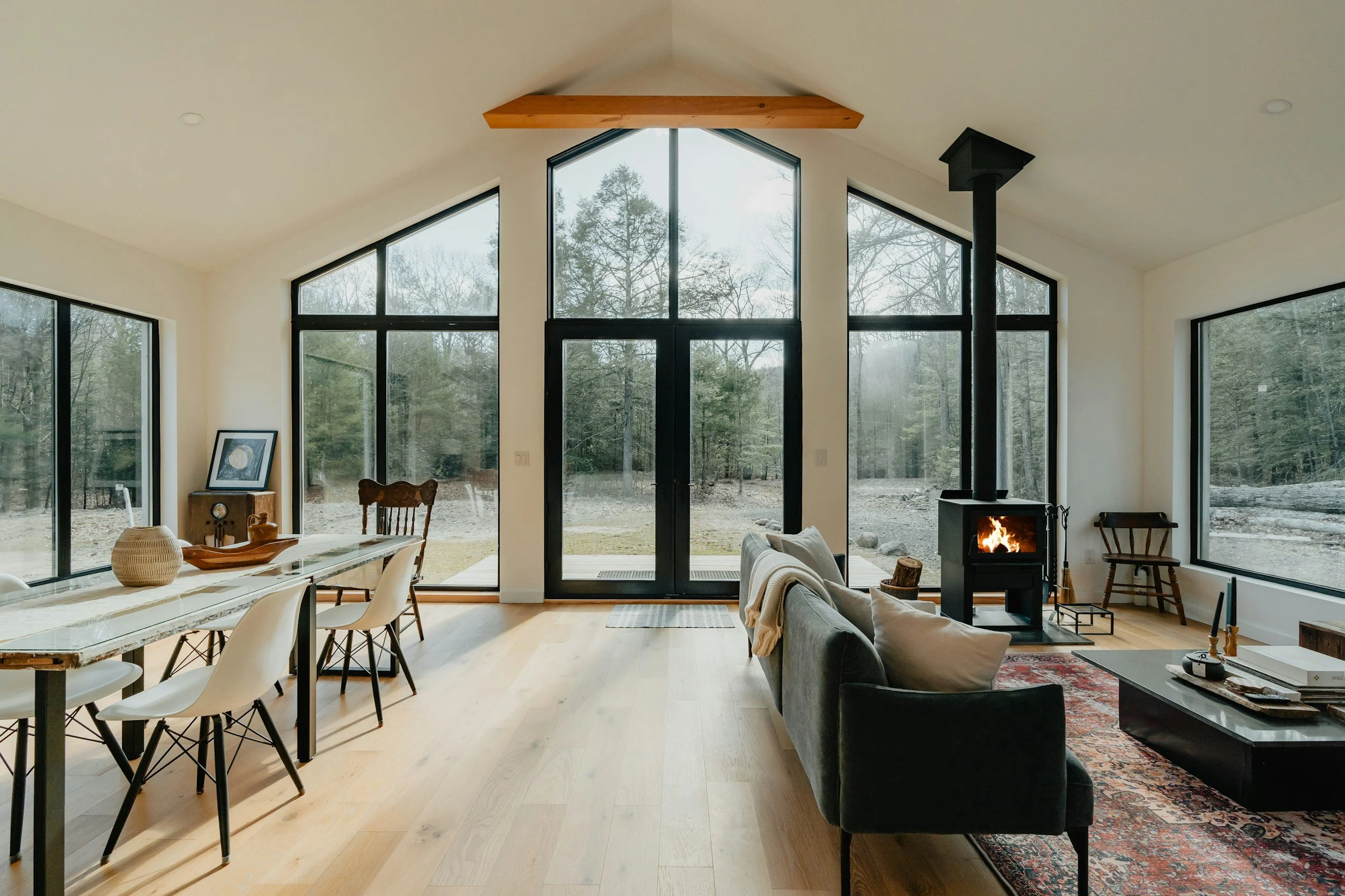
Your home or office is one of the biggest investments you will ever make, and the person you trust to shape it matters just as much as the budget you set. A good interior designer turns your ideas into a space that looks beautiful, works well day to day, and stays within your means. The wrong choice can mean blown budgets, missed deadlines and a result you never really wanted.
The best way to avoid that outcome is to ask the right questions up front. Whether you are renovating a living room, designing a new build or fitting out a commercial space, these ten questions will help you compare designers with confidence.
1. Can I See Your Portfolio?
A portfolio is the quickest way to understand a designer’s taste, range and quality. Look beyond a single stunning photo. Check whether the projects show variety, whether the finishing looks clean in close-ups, and whether any of them resemble the kind of space you have in mind.
Ask to see before-and-after images too. They show how much the designer actually transformed a space, not just how well it was photographed.
2. How Much Experience Do You Have With Projects Like Mine?
A designer who excels at luxury villas may not be the best fit for a compact apartment or a busy office. Ask how many projects of your type and size they have completed, and what challenges came up. Relevant experience means fewer surprises and smarter solutions.
3. What Is Your Design Process?
A professional designer should be able to walk you through their process clearly. Typically it includes an initial consultation, site measurement, concept development, 3D visualisation, material selection, execution and final handover.
Knowing the stages in advance helps you understand when decisions are needed from you and what to expect at each step.
4. How Do You Charge for Your Services?
Fee structures vary. Some designers charge a fixed fee, some a percentage of the total project cost, and others an hourly or per-square-foot rate. Ask for a clear breakdown of what is included and what is not, such as design drawings, site visits, procurement and project supervision.
Get this in writing so there are no unexpected charges later.
5. What Is the Estimated Budget and Timeline?
Be upfront about your budget and ask for an honest assessment of whether your goals are realistic. A trustworthy designer will tell you what is achievable and suggest where to save or splurge.
Also ask for a realistic timeline with milestones. Delays happen, but a designer who plans well can keep them to a minimum.
6. Who Will Be Working on My Project?
Sometimes the person you meet during the consultation is not the one handling the day-to-day work. Ask who will be your main point of contact, who will prepare the designs, and who will supervise the work on site. Knowing the team builds trust and makes communication smoother.
7. Do You Handle Execution and Supervision?
A beautiful design only matters if it is built properly. Find out whether the company offers end-to-end services, including civil work, carpentry, electrical, lighting, finishing and furnishing, or whether you will need to hire contractors separately.
A single team managing both design and execution usually means better coordination, clearer accountability and fewer gaps between what was drawn and what gets built.
8. How Will We Communicate During the Project?
Good communication prevents most disputes. Ask how often you will receive updates, which channels they use (calls, email, WhatsApp, site visits) and how quickly they respond. Regular progress reports and photos can give you peace of mind, especially if you are not on site every day.
9. How Do You Handle Changes and Unexpected Issues?
No project goes exactly to plan. You may change your mind about a finish, or hidden problems may appear once walls are opened. Ask how change requests are handled, how extra costs are approved, and what happens if a material is delayed or unavailable. A clear policy protects both sides.
10. Can I Speak to Previous Clients?
Testimonials and references reveal what a portfolio cannot: how the designer behaves when things get stressful. Ask for contact details of past clients or read verified reviews. Pay attention to comments about punctuality, honesty, budget control and after-sales support.
Red Flags to Watch Out For
As you speak with different designers, be cautious if you notice any of the following:
- Vague answers about pricing or no written quotation
- No clear portfolio or reluctance to share past work
- Pressure to sign a contract or pay a large advance immediately
- Poor communication from the very first meeting
- Promises that sound too good to be true on cost or speed
Final Thoughts
Choosing an interior designer is about more than style. It is about finding a professional who listens, communicates openly, respects your budget and delivers what they promise. Take the time to ask these questions, compare at least two or three options, and trust your instincts about who understands your vision best.
If you are planning a residential or commercial project and want a team that manages everything from concept to completion, explore the interior design services offered by Gemcon Engineering and see how their approach can bring your space to life.