
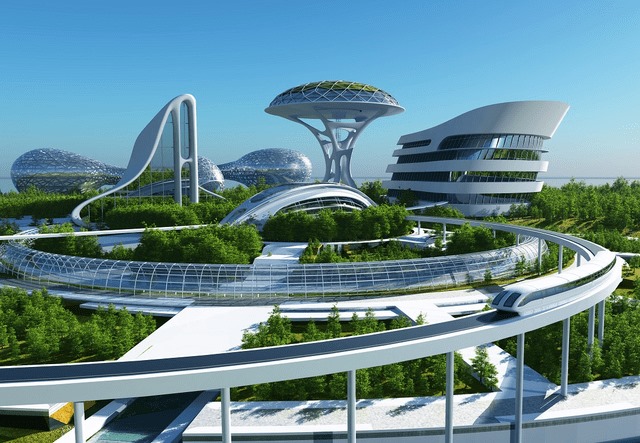
Introduction
As cities continue to expand rapidly across the globe, the pressure on natural resources, infrastructure, and the environment is greater than ever. In response, the construction industry is evolving to meet these challenges through green construction — a modern approach that prioritizes sustainability, energy efficiency, and environmental harmony.
At Gemcon Engineering, we believe that the future of urban development lies in building smarter, not just bigger. Our goal is to create structures that not only stand the test of time but also support a cleaner and greener planet.
What Is Green Construction?
Green construction (or sustainable construction) refers to designing, building, and operating structures in an environmentally responsible way. It focuses on reducing negative impacts on the environment, conserving energy and water, and using eco-friendly materials throughout the project lifecycle.
This approach goes beyond construction techniques—it encompasses every phase, from planning and design to maintenance and demolition. The aim is to minimize carbon footprints while improving the health and comfort of occupants.
Why Green Construction Matters in Urban Areas
Urban areas are growing at a pace faster than ever before, leading to increased pollution, waste, and energy consumption. Traditional construction methods often rely on resource-heavy materials and processes that contribute to greenhouse gas emissions.
Green construction, on the other hand, offers a sustainable solution by:
- Reducing energy usage through efficient designs.
- Lowering water consumption with recycling systems.
- Promoting eco-friendly materials that minimize waste.
- Creating healthier indoor environments for residents and workers.
For cities like Karachi, Lahore, and Islamabad, embracing sustainable building practices is not just an option — it’s a necessity for the future.
Key Elements of Green Construction
To make urban development more sustainable, several core principles guide the future of green construction:
1. Energy Efficiency
Energy-efficient buildings are at the heart of sustainable development. Using smart lighting, solar panels, insulated materials, and energy-saving systems significantly reduces electricity consumption and lowers carbon emissions.
Gemcon Engineering integrates cutting-edge energy models into designs to ensure each project minimizes energy waste while maximizing efficiency.
2. Sustainable Building Materials
The materials used in construction play a vital role in reducing environmental impact. Green materials include recycled steel, bamboo, fly ash concrete, and reclaimed wood — all of which reduce the demand for non-renewable resources.
By sourcing and promoting such materials, Gemcon Engineering contributes to a construction process that is both durable and eco-conscious.
3. Water Conservation
Water scarcity is a pressing issue in many urban regions. Modern green buildings employ rainwater harvesting systems, greywater recycling, and efficient plumbing fixtures to cut down on water waste.
Sustainable landscapes and permeable pavements also help manage stormwater effectively.
4. Waste Reduction and Recycling
Construction generates massive amounts of debris, but with proper waste management planning, much of it can be reused or recycled. Techniques like modular construction and prefabrication reduce material waste and on-site pollution.
5. Healthy Indoor Environments
Green construction emphasizes the health of building occupants. Proper ventilation, non-toxic paints, and natural lighting enhance indoor air quality and reduce health risks — creating spaces that are both sustainable and comfortable.
Technology Driving the Future of Green Construction
Innovation plays a vital role in making sustainability achievable. Several modern technologies are reshaping how buildings are designed and constructed in urban areas:
- Building Information Modeling (BIM): Enables precise planning and energy analysis to optimize resource use.
- Smart Building Systems: Monitor energy and water consumption in real time.
- 3D Printing: Reduces material waste by creating precise building components.
- Green Roofs and Walls: Absorb CO₂, lower heat, and enhance biodiversity in urban spaces.
- Renewable Energy Integration: Solar, wind, and geothermal systems are increasingly used to power buildings sustainably.
Gemcon Engineering embraces these technologies to design forward-thinking projects that blend innovation with sustainability.
Benefits of Green Construction for Urban Communities
The advantages of adopting green construction practices go beyond environmental impact. They also contribute to social and economic progress.
Environmental Benefits
- Lower carbon emissions
- Reduced energy and water use
- Decreased pollution and waste
- Preservation of natural resources
Economic Benefits
- Lower utility and maintenance costs
- Longer building lifespan
- Increased property value
- Government incentives for sustainable development
Social Benefits
- Healthier living spaces
- Improved quality of life
- Enhanced community resilience to climate change
By investing in sustainability, developers and homeowners are not just saving resources—they’re building a better future for generations to come.
Challenges in Implementing Green Construction
While the benefits are clear, adopting green construction in urban areas comes with challenges such as:
- Higher initial costs for eco-friendly materials
- Lack of awareness or training in sustainable practices
- Limited government incentives or policies in developing regions
- Inconsistent availability of green materials locally
Despite these hurdles, the long-term advantages of green construction—financial savings, environmental protection, and social well-being—far outweigh the challenges.
At Gemcon Engineering, our team is actively working to overcome these barriers through education, innovation, and collaboration with environmentally conscious partners.
The Future of Green Construction: What Lies Ahead
The future of green construction in urban areas is promising, as cities increasingly recognize the value of sustainable development. Governments and private developers are shifting toward green certifications like LEED, BREEAM, and EDGE, which promote energy-efficient and eco-friendly designs.
Future trends likely to shape the industry include:
- Net-Zero Buildings that produce as much energy as they consume.
- Circular Construction Models focusing on material reuse.
- Carbon-Neutral Urban Communities powered by renewable energy.
- AI-Powered Smart Cities managing resources intelligently.
As the world becomes more urbanized, sustainability will be the key driver of innovation in the construction sector.
Gemcon Engineering: Building a Sustainable Future
At Gemcon Engineering, sustainability is not a trend — it’s a commitment. Our engineers and architects integrate eco-friendly principles into every design and construction process, ensuring our projects contribute positively to the environment and community.
From green building materials to energy-efficient designs, we deliver solutions that meet the evolving demands of modern cities while protecting natural resources for future generations.
Conclusion
The future of green construction in urban areas lies in combining innovation, responsibility, and sustainability. As cities grow, the need for environmentally conscious engineering has never been greater.
With the expertise of Gemcon Engineering, urban development can move toward a future that’s not only technologically advanced but also sustainable, resilient, and kind to the planet. Together, we can build cities that breathe — strong, smart, and sustainable.