
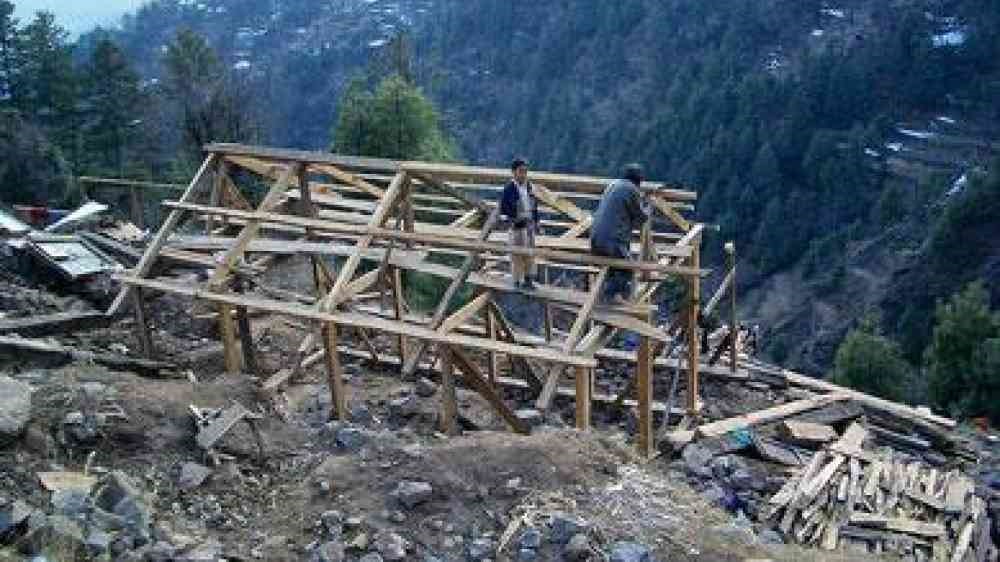
Islamabad lies in one of the most seismically active zones in Pakistan, where earthquakes are not uncommon. Areas around the Margalla Hills, Islamabad, and northern Pakistan sit close to the Himalayan fault line, making structural safety the top priority for every homeowner and builder. A strong earthquake-resistant house is not just an engineering requirement—it is a matter of family safety, long-term investment protection, and structural durability.
In this guide, we explain the best construction practices, modern structural guidelines, and how a professional construction company like Gemcon Engineering ensures compliance with international earthquake-resistant building standards.
Why Earthquake-Resistant Construction Is Essential in Islamabad
Islamabad falls in Zone 2B and Zone 3 of Pakistan’s seismic map, meaning moderate to major earthquakes are possible. Poorly constructed houses often face:
- Cracks in beams and columns
- Unstable foundations
- Failure under lateral loads
- Complete structural collapse
To avoid this, engineers follow strict building standards such as:
- Building Code of Pakistan (BCP)
- American Concrete Institute (ACI)
- ASTM standards
- Modern seismic design guidelines
Experienced companies like Gemcon Engineering ensure full compliance with these standards during design and execution.
1. Strong and Properly Designed Foundation
A house is only as strong as the foundation beneath it. In earthquake-prone regions:
Soil Testing Is Mandatory
Before construction, a geotechnical soil test must be carried out. It determines:
- Soil load-bearing capacity
- Type of foundation required
- Safe depth for footings
- Risk of soil settlement
Reinforced Foundations
Earthquake-resistant foundations must include:
- Steel reinforcement
- Proper concrete ratio
- Waterproofing
- Termite proofing
- Accurate depth and width
Gemcon Engineering uses approved foundation designs that support the entire load of the structure during seismic movement.
2. Strong RCC Frame Structure
The most crucial step in earthquake-resistant construction is a Reinforced Cement Concrete (RCC) frame. This includes:
- Beams
- Columns
- Slabs
This frame bears both vertical and horizontal seismic loads.
Key Requirements
- Columns should be properly tied with stirrups
- Beam-column joints must be strong enough to absorb shocks
- Slabs must be constructed with standard thickness
- Use high-grade steel (60-grade recommended)
Companies like Gemcon Engineering strictly follow structural drawings approved by certified structural engineers to prevent structural failures during earthquakes.
3. Use of High-Quality Steel and Concrete
Materials play a vital role in earthquake resistance.
Steel
- Only certified 60-grade steel should be used
- No rusted or low-quality iron rods
- Proper spacing and overlap are essential
- Bending must follow engineering standards
Concrete
- Standard concrete mix (1:2:4 or design-based mixing)
- Mechanical mixing for uniform strength
- Vibrators used to remove air pockets
This prevents weak points in the structure and ensures maximum strength during seismic vibrations.
4. Proper Column and Beam Placement
Many houses fail during earthquakes because of incorrect column placement. To make a house earthquake-resistant:
Symmetrical column layout
Asymmetrical columns create weak zones that collapse during shaking.
Correct spacing
Columns must not be too far apart or too close.
No removal of load-bearing walls
Removing load-bearing walls for open kitchens or wide lounges without structural redesign can compromise safety.
Gemcon Engineering always prepares architectural and structural designs together to avoid these issues.
5. Shear Walls in Multi-Storey Houses
For 10 Marla and 1 Kanal houses—or any house with more than one floor—shear walls help resist lateral forces caused by earthquakes. These walls:
- Balance the structure
- Absorb seismic shock
- Reduce horizontal shaking
Shear walls are especially important in multi-storey buildings where lateral load is higher.
6. Lightweight Roofing and Quality Brickwork
Heavy roofs add unnecessary load during earthquakes. Recommended options:
Lightweight roofing materials
- Lightweight RCC slabs
- Steel trusses (for certain areas)
- Proper insulation without excessive load
Quality Brick/Block Work
- First-class A-grade bricks
- Uniform bonding pattern
- Adequate curing
- No hollow or weak blocks
Proper brickwork prevents wall cracking and enhances structural stability.
7. Strong Joint Connections
During an earthquake, the weakest point is often the joint, not the wall or column. To ensure safety:
- Beam and column joints must be fully anchored
- Steel should overlap properly
- Hooks must follow ACI standards
- No cold joints in concrete
Gemcon Engineering ensures structural supervisors monitor every joint during construction.
8. Quality Control and Supervision
No matter how strong the design is, poor workmanship can ruin everything. Earthquake-resistant construction requires:
- Full-time supervision
- Daily quality checks
- Material testing
- Proper curing
- Skilled masons and steel fixers
Professional companies like Gemcon Engineering appoint dedicated site engineers to ensure every step meets seismic safety standards.
9. Architectural Design That Supports Structural Strength
A beautiful home must also be structurally safe. Architectural design must ensure:
- Balanced room layout
- No excessively long unsupported walls
- No large cut-out areas in slabs
- Proper door and window placement
Structural and architectural teams must coordinate to avoid design conflicts.
10. Regular Maintenance After Completion
Even an earthquake-resistant house needs periodic maintenance:
- Fix wall cracks immediately
- Check column and beam cracks
- Maintain drainage to avoid foundation weakening
- Avoid unnecessary renovations without engineering approval
A well-maintained structure lasts longer and performs better in seismic conditions.
Why Choose Gemcon Engineering for Earthquake-Safe Construction?
Gemcon Engineering is known for following strict engineering standards to build safe and durable homes in Islamabad. They offer:
Earthquake-resistant structural design
Use of certified steel and materials
Expert supervision and quality control
MPCHS, CDA & Bahria-approved practices
Modern architectural and structural planning
Grey and turnkey construction services
Their engineering-focused approach ensures that every house they build is designed to withstand seismic forces while maintaining beauty and comfort.
Final Thoughts
Building a house in Islamabad requires more than aesthetics—it requires earthquake-resistant engineering. By following the right techniques, using certified materials, and hiring expert professionals, you can create a home that is safe, durable, and long-lasting.
Whether you are planning a 5 Marla, 10 Marla, or 1 Kanal house, Gemcon Engineering provides complete guidance and construction solutions for earthquake-prone areas.