
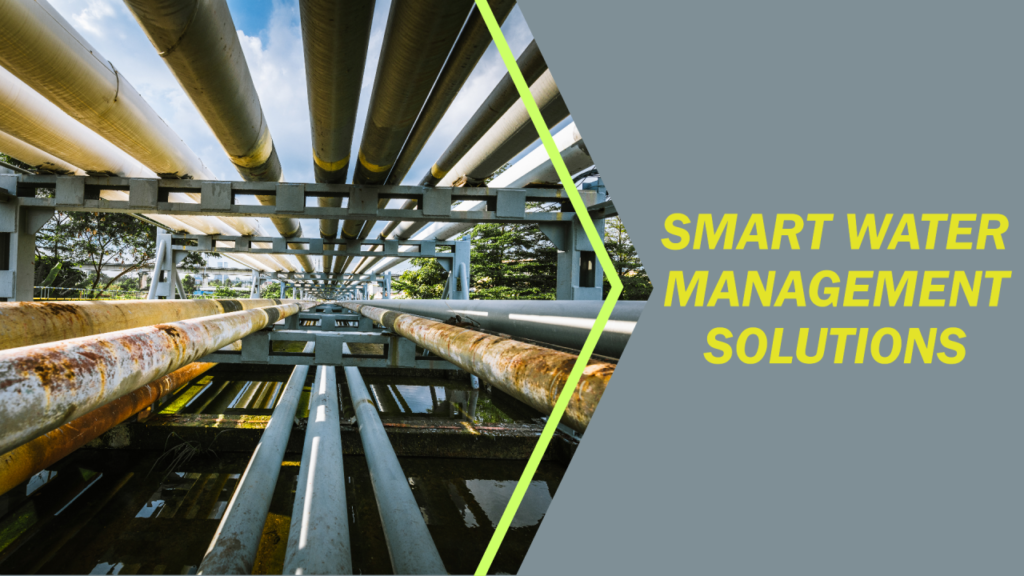
Water is a precious resource, and managing it efficiently is one of the biggest challenges facing rapidly urbanizing cities like Islamabad and Rawalpindi. Islamabad, with its growing population, expanding residential sectors, and corporate hubs, demands sustainable water solutions to ensure long-term availability, reduce wastage, and support urban development. Smart engineering approaches, combining technology, infrastructure planning, and environmental management, are key to addressing these challenges. Companies like Gemcon Engineering are pioneering smart solutions that help cities optimize water usage, reduce environmental impact, and improve infrastructure reliability.
Challenges of Water Management in Islamabad
Islamabad’s water management issues stem from multiple factors:
1. Rapid Urbanization
The city’s residential sectors, corporate offices, and educational hubs like NUST, GIKI, and FAST are growing rapidly. Increased demand for water in these areas often strains the existing supply networks. Without proper planning, water shortages and over-extraction can affect both residential and commercial areas.
2. Inefficient Infrastructure
Many of Islamabad’s water supply pipelines and drainage systems are outdated, leading to high leakage rates. Poorly maintained infrastructure results in water loss, contamination risks, and operational inefficiency.
3. Seasonal Fluctuations
Rainwater patterns in Islamabad are highly variable, causing issues like flooding during monsoons and water scarcity in dry seasons. Urban areas with inadequate drainage systems are particularly vulnerable to waterlogging and property damage.
4. Limited Awareness and Planning
Many sectors, including commercial and residential developments, still lack integrated water management planning. This includes rainwater harvesting, greywater recycling, and sustainable irrigation practices, which are critical to long-term water security.
Smart Engineering Solutions for Islamabad
Smart engineering brings technology, innovative design, and environmental awareness together to tackle these challenges. Here are some key solutions being implemented:
1. Advanced Water Monitoring Systems
IoT-based sensors and smart meters can monitor water usage in real time, helping authorities and developers track consumption patterns across sectors of Islamabad. Smart monitoring allows for:
- Early detection of leaks or pipeline failures
- Data-driven water allocation for residential and commercial areas
- Improved maintenance scheduling for public water infrastructure
2. Rainwater Harvesting
Rainwater harvesting systems are becoming increasingly essential in Islamabad. Smart engineering designs can integrate collection systems into new buildings, corporate offices, and residential areas. Collected rainwater can be used for non-potable purposes like irrigation, flushing, and cooling systems.
Gemcon Engineering has successfully implemented rainwater harvesting projects in commercial and residential sectors, improving water availability and reducing reliance on municipal supplies.
3. Greywater Recycling
Greywater from sinks, showers, and commercial facilities can be treated and reused for landscaping, cooling, and sanitation. Smart engineering approaches optimize filtration and distribution systems to ensure safety and efficiency. This is particularly valuable in Islamabad sectors with limited water access, such as new housing developments and office complexes.
4. Sustainable Irrigation for Green Spaces
Islamabad is known for its green belts and parks. Smart irrigation solutions, including drip irrigation and automated sprinkler systems, use sensors to control water flow based on soil moisture and weather conditions. These solutions not only save water but also support the health of urban greenery.
5. Flood Prevention and Drainage Planning
Proper stormwater management is crucial in sectors prone to heavy rainfall. Engineers are designing intelligent drainage systems that incorporate underground reservoirs, flood barriers, and permeable surfaces. Smart engineering ensures that excess water is captured and reused rather than causing urban flooding.
Role of Government and Private Sector in Water Management
Effective water management in Islamabad requires collaboration between government authorities and private engineering firms. Key initiatives include:
- Capital Development Authority (CDA): Responsible for urban planning and water infrastructure in Islamabad sectors.
- Private Developers and Engineering Firms: Implement smart solutions for residential, commercial, and industrial projects.
- Public Awareness Campaigns: Educating residents and offices on water conservation practices, rainwater harvesting, and efficient usage.
By leveraging expertise from companies like Gemcon Engineering, these collaborations result in innovative projects that integrate modern technology with sustainable design.
Benefits of Smart Water Management in Islamabad
Implementing smart engineering solutions offers multiple benefits:
- Water Conservation: Reduced wastage and optimized usage ensure a reliable water supply for residential and corporate sectors.
- Cost Efficiency: Monitoring systems and automated solutions help cut operational costs for water utilities and private organizations.
- Sustainability: Reduces environmental impact by promoting rainwater harvesting, recycling, and efficient irrigation.
- Urban Resilience: Smart drainage and flood management prevent property damage during heavy rains.
- Enhanced Quality of Life: Reliable water access improves living standards for Islamabad’s citizens and businesses.
Case Study: Gemcon Engineering’s Smart Water Solutions
Gemcon Engineering has successfully delivered projects in Islamabad that integrate smart water management technologies:
- Installation of IoT-based water meters in corporate offices in Blue Area.
- Rainwater harvesting systems in residential sectors, reducing dependency on municipal water by 30–40%.
- Greywater recycling and smart irrigation systems for university campuses like NUST and FAST.
These initiatives showcase how innovative engineering solutions can meet local needs while setting a benchmark for sustainability across the city.
Future of Water Management in Islamabad
As Islamabad continues to expand, future projects will require:
- Greater adoption of digital water management technologies
- Integrated urban planning that combines water supply, drainage, and green infrastructure
- Collaboration between government bodies, private firms, and educational institutions to foster research and innovation
Smart engineering is no longer optional; it is essential for building a resilient and sustainable city that can serve both its population and commercial sectors efficiently.
Conclusion
Water management in Islamabad and Rawalpindi faces complex challenges, from urban growth and infrastructure gaps to climate variability. Smart engineering solutions — including advanced monitoring, rainwater harvesting, greywater recycling, and sustainable irrigation — are critical to ensuring reliable, sustainable water supply for residential sectors, corporate offices, and educational institutions like NUST, GIKI, and FAST.
Firms like Gemcon Engineering are leading the way, offering innovative solutions that integrate technology, sustainability, and practical design to overcome water management challenges. By embracing smart engineering, Islamabad can secure its water resources, enhance urban resilience, and improve the quality of life for its residents and businesses.