
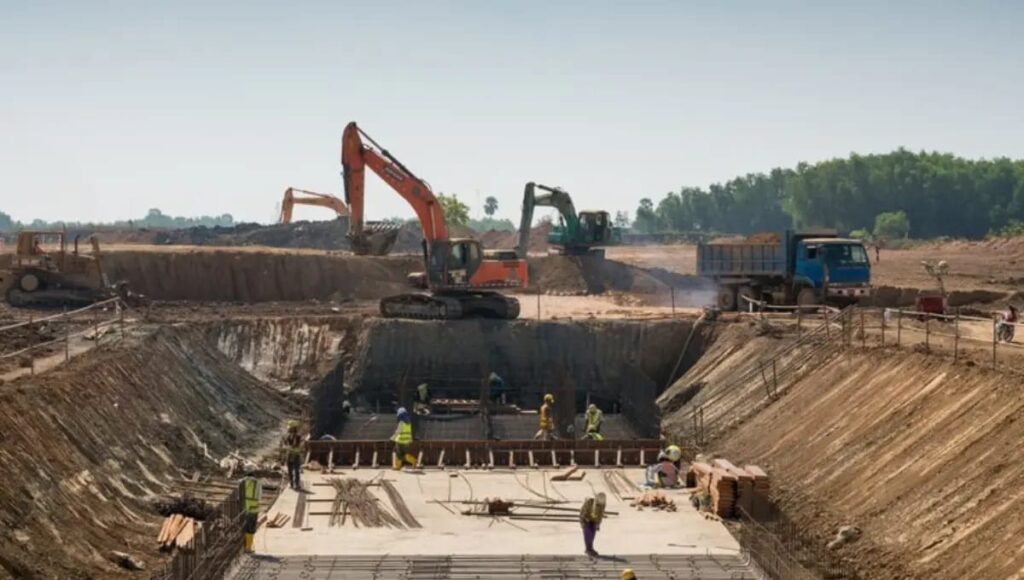
At Gemcon Engineering, we have observed that most commercial construction challenges arise due to poor planning rather than execution. Below are the most critical mistakes you must avoid when planning your commercial project.
1. Ignoring CDA Regulations and Legal Approvals
One of the most common and costly mistakes is failing to comply with CDA regulations. Every commercial construction project in Islamabad must meet requirements related to:
- Zoning and land use
- Building height restrictions
- Parking space allocation
- Fire safety standards
- Environmental compliance
Skipping approvals or starting construction before obtaining NOCs can lead to heavy fines or even sealing of the property. Always ensure your architectural and structural drawings are approved before initiating construction work.
2. Poor Feasibility and Market Research
Many investors purchase commercial plots without conducting proper feasibility studies. A project’s success depends heavily on:
- Market demand
- Competitor analysis
- Accessibility
- Foot traffic
- Future area development
For example, commercial activity in Blue Area differs significantly from developing sectors. Without research, you may construct a building that does not meet market needs, leading to low occupancy rates.
A professional feasibility study helps you make data-driven decisions.
3. Underestimating the Total Project Cost
Budget miscalculation is a serious issue in Pakistan’s construction sector. Many developers only calculate basic construction costs and ignore:
- Approval and documentation fees
- Consultant and design charges
- Utility connection costs
- Taxes and government fees
- Contingency funds
Material prices in Pakistan fluctuate frequently, especially steel and cement. Without allocating at least 10–15% contingency, your project may face financial strain midway.
Professional cost estimation ensures better financial control.
4. Choosing Contractors Based on Lowest Price
Selecting a contractor solely based on the lowest bid often leads to compromised quality. Inexperienced contractors may:
- Use substandard materials
- Miss deadlines
- Ignore safety protocols
- Fail to meet structural standards
Always evaluate a contractor’s portfolio, previous commercial projects, client testimonials, and technical capabilities. Quality construction enhances durability and long-term investment returns.
5. Lack of Proper Project Planning and Scheduling
A commercial construction project involves multiple phases including excavation, foundation, structure, MEP (mechanical, electrical, plumbing), and finishing. Without proper scheduling:
- Work phases overlap inefficiently
- Material procurement gets delayed
- Labor coordination suffers
- Costs increase
Using modern project management tools and working with experienced engineers ensures smooth workflow and timely completion.
6. Skipping Soil Testing and Site Investigation
Islamabad has varying soil conditions depending on the sector and terrain. Ignoring soil testing can result in:
- Weak foundations
- Structural cracks
- Water seepage issues
- Long-term maintenance costs
A professional geotechnical investigation helps engineers design a foundation suitable for the soil condition, ensuring structural stability and safety.
7. Ignoring Sustainability and Energy Efficiency
Modern commercial buildings should prioritize sustainability. Failing to incorporate energy-efficient solutions can increase long-term operational costs.
Consider including:
- Energy-efficient lighting systems
- Proper insulation
- Solar panels
- Rainwater harvesting
- Efficient HVAC systems
Sustainable buildings not only reduce electricity costs but also enhance property value and corporate reputation.
8. Frequent Design Changes During Construction
Many developers finalize designs midway through construction. Frequent changes lead to:
- Material wastage
- Timeline delays
- Increased labor costs
- Structural complications
All architectural, structural, and MEP drawings should be finalized and coordinated before construction begins. Clear planning prevents costly modifications.
9. Poor Communication Among Stakeholders
A commercial project requires coordination between:
- Architects
- Structural engineers
- MEP consultants
- Contractors
- Investors
- Regulatory authorities
Miscommunication can result in design conflicts and rework. Regular progress meetings and clear documentation improve coordination and minimize risk.
10. Ignoring Safety Standards
Safety compliance is not optional. Ignoring construction safety standards can lead to:
- Worker injuries
- Legal consequences
- Project shutdowns
- Financial losses
Ensure proper scaffolding, fire safety systems, emergency exits, and adherence to structural codes. A safe construction site reflects professionalism and responsibility.
11. Inadequate Parking and Accessibility Planning
Commercial projects in Islamabad must meet specific parking requirements set by CDA. Poor parking planning can result in approval delays and reduced commercial appeal. Accessibility for disabled individuals should also be incorporated according to modern standards.
12. Not Planning for Future Expansion
Business growth should be part of the long-term vision. Designing flexible interior layouts and ensuring structural capacity for additional floors can save significant renovation costs in the future.
Future-ready buildings attract high-value tenants and investors.
Why Professional Engineering Support Matters
Commercial construction is a major financial investment. From regulatory approvals to structural design and execution, professional expertise makes a significant difference.
Working with experienced consultants like Gemcon Engineering ensures:
- Regulatory compliance
- Accurate budgeting
- Efficient project management
- High construction quality
- Long-term structural reliability
With the right planning approach and expert guidance, your commercial construction project in Islamabad can become a profitable and sustainable asset.
Final Thoughts
Avoiding common mistakes during the planning stage is the key to successful commercial construction in Islamabad. Careful budgeting, regulatory compliance, proper soil testing, qualified contractors, and strategic project management significantly reduce risks.
A well-planned commercial project not only ensures timely completion but also maximizes return on investment.
If you are planning your next commercial construction project, professional planning and expert engineering guidance can make all the difference.