
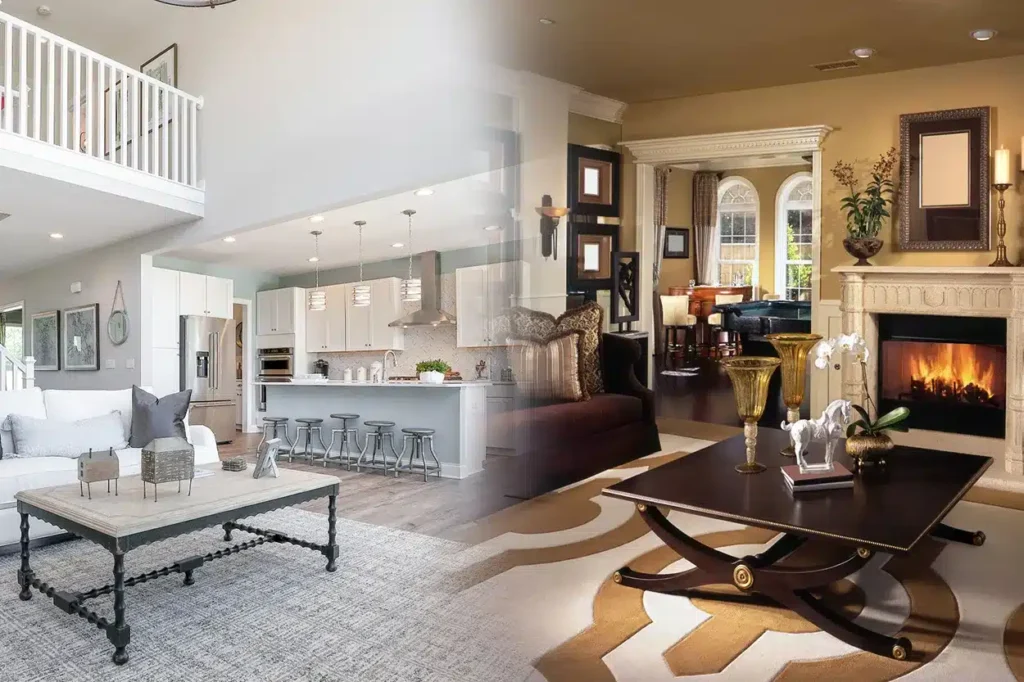
Choosing the right home layout is one of the most important decisions when designing a new house. The layout affects not only the appearance of your home but also its functionality, comfort, privacy, and long-term value. Among the most popular design choices today are open floor plans and traditional layouts. Both offer unique advantages and cater to different lifestyles, family needs, and design preferences.
Understanding the differences between these two architectural approaches can help homeowners make informed decisions before starting construction. Whether you are building a new home or renovating an existing one, selecting the right layout is essential for creating a space that suits your lifestyle and budget.
What Is an Open Floor Plan?
An open floor plan is a modern design concept where multiple living spaces are combined into one large, open area with minimal walls or partitions. Typically, the kitchen, dining room, and living room flow seamlessly into one another.
This layout became increasingly popular because it creates a spacious and airy environment while encouraging interaction among family members.
Key Features of Open Floor Plans
- Large connected living spaces
- Minimal interior walls
- Enhanced natural light
- Flexible furniture arrangements
- Improved traffic flow
Open floor plans are commonly found in contemporary homes and modern residential developments.
What Is a Traditional Layout?
A traditional layout divides the home into separate rooms, each designed for a specific purpose. Walls and doors separate living areas such as the kitchen, dining room, living room, study, and bedrooms.
Traditional designs have been used for generations and remain popular among homeowners who value privacy and defined spaces.
Key Features of Traditional Layouts
- Separate rooms for different activities
- Greater privacy
- Reduced noise transfer
- Distinct functional areas
- Formal architectural appearance
Traditional layouts often create a more organized and structured living environment.
Advantages of Open Floor Plans
Creates a Spacious Feel
One of the biggest advantages of open floor plans is the perception of space. Even in smaller homes, removing walls can make interiors feel significantly larger and more inviting.
Natural light can travel freely throughout the home, creating a brighter and more comfortable atmosphere.
Better Family Interaction
Open layouts encourage communication and interaction among family members.
For example, parents can prepare meals in the kitchen while keeping an eye on children playing in the living room. Family members can easily engage with each other without being separated by walls.
Ideal for Entertaining Guests
Open floor plans are perfect for hosting gatherings and social events.
Guests can move freely between the kitchen, dining area, and living room without feeling confined. This creates a more welcoming and enjoyable environment for entertaining.
Flexible Design Options
Without numerous walls restricting furniture placement, homeowners have greater flexibility in arranging interior spaces.
This allows for creative design solutions and easier adaptation to changing lifestyle needs.
Disadvantages of Open Floor Plans
Less Privacy
One common drawback of open floor plans is the lack of privacy.
Activities occurring in one area can easily be seen and heard from other parts of the space. This may not be ideal for larger families or individuals who work from home.
Increased Noise Levels
Since there are fewer barriers to block sound, noise can travel throughout the entire living area.
Kitchen appliances, television sounds, and conversations can become distracting, particularly in busy households.
Higher Heating and Cooling Costs
Large open spaces often require more energy to heat and cool effectively.
Without walls to separate zones, maintaining comfortable temperatures can become more challenging and expensive.
Advantages of Traditional Layouts
Enhanced Privacy
Traditional layouts provide greater privacy because rooms are separated by walls and doors.
Family members can perform different activities without disturbing one another, making these layouts ideal for larger households.
Better Noise Control
Separate rooms help contain noise, creating a quieter and more peaceful environment.
This can be particularly beneficial for homes with children, home offices, or multiple generations living together.
More Organized Spaces
Traditional layouts assign a specific function to each room, helping maintain organization.
For example, the dining room is used for meals, the study for work, and the living room for relaxation.
Easier Temperature Control
Smaller enclosed spaces are often easier and more cost-effective to heat and cool.
Homeowners can manage energy usage more efficiently by controlling individual rooms rather than conditioning one large area.
Disadvantages of Traditional Layouts
Can Feel Smaller
Multiple walls and enclosed rooms may make a home feel less spacious, especially if square footage is limited.
Natural light may also be restricted, resulting in darker interior spaces.
Limited Social Interaction
Family members and guests may feel more separated when activities take place in different rooms.
This can reduce the sense of openness and connectivity within the home.
Less Flexible Design
Walls can limit furniture placement and future remodeling options.
Making structural changes later may require significant renovation costs.
Which Layout Is Best for Families?
The answer depends on your family’s lifestyle and daily routines.
An open floor plan may be ideal if:
- You enjoy entertaining guests.
- You prefer a modern design aesthetic.
- You want maximum natural light.
- You enjoy family interaction and shared spaces.
- You have a smaller home and want it to feel larger.
A traditional layout may be better if:
- Privacy is important.
- Family members have different schedules.
- You work from home.
- You prefer formal room arrangements.
- Noise reduction is a priority.
The Growing Trend of Hybrid Layouts
Many modern homes now combine the best features of both designs through hybrid layouts.
For example:
- Open kitchen, dining, and living areas.
- Separate home offices.
- Private study rooms.
- Enclosed media rooms.
- Isolated guest suites.
Hybrid layouts provide openness where desired while maintaining privacy where needed.
This balanced approach is becoming increasingly popular among homeowners in Pakistan and around the world.
How Professional Architects Help You Choose
Selecting the right layout involves more than personal preference. Professional architects and engineers consider factors such as:
- Plot size
- Family requirements
- Future expansion plans
- Natural lighting
- Ventilation
- Budget
- Structural efficiency
Experienced design professionals can help create a layout that maximizes functionality, comfort, and long-term value.
For expert architectural design, planning, and construction services, visit Gemcon Engineering Company at https://gemconengineering.com/. Their experienced team helps homeowners design spaces that perfectly balance aesthetics, functionality, and cost-efficiency.
Conclusion
Both open floor plans and traditional layouts offer unique advantages. Open layouts provide spaciousness, flexibility, and better social interaction, while traditional layouts offer privacy, organization, and noise control.
The best choice depends on your family’s lifestyle, personal preferences, and future needs. Many homeowners are now embracing hybrid designs that combine the strengths of both approaches.
Before making a final decision, consult experienced architects and engineers who can help create a home that reflects your vision while ensuring maximum functionality and value for years to come.