
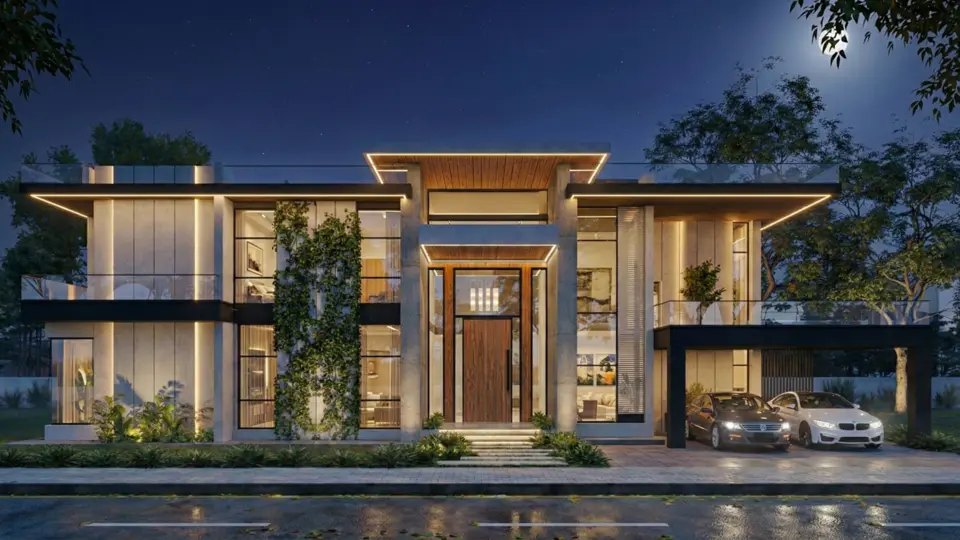
Pakistan’s residential landscape is undergoing a quiet transformation. As cities like Lahore, Karachi, and Islamabad expand and land becomes scarcer, homeowners and architects alike are rethinking what a house should be. The future of residential architecture in Pakistan isn’t just about aesthetics anymore — it’s about sustainability, technology, resilience, and livability. Here’s a look at where the country’s home design is headed.
1. Sustainable and Climate-Responsive Design
Pakistan’s extreme summers and unpredictable monsoons are pushing architects toward climate-responsive design. Passive cooling techniques — courtyards, wind catchers, deep overhangs, and cross-ventilation — are making a comeback, blended with modern materials that reduce energy consumption. Expect to see more homes built with insulated roofing, solar shading, and rainwater harvesting systems as standard features rather than luxury add-ons.
2. Rise of Smart Homes
Smart home technology is no longer confined to high-end villas in DHA or Bahria Town. Automated lighting, app-controlled security systems, smart thermostats, and voice-activated appliances are becoming accessible to the growing middle class. As local suppliers and installers scale up, smart integration is set to become a default expectation in new residential projects across Pakistan.
3. Vertical Living in Urban Centers
With urban land prices soaring, horizontal expansion is no longer sustainable in cities like Karachi and Lahore. The future points toward vertical residential developments — mid-rise apartment complexes and gated high-rises that offer shared amenities like gyms, parks, and co-working spaces. This shift also encourages more efficient land use and denser, walkable neighborhoods.
4. Locally Sourced, Sustainable Materials
There’s a growing shift away from imported materials toward locally sourced, eco-friendly alternatives — fly ash bricks, bamboo composites, and recycled aggregates. Not only do these reduce construction costs, but they also lower the carbon footprint of new builds, a growing priority as environmental awareness increases among Pakistani homeowners.
5. Blending Tradition with Modern Minimalism
Modern Pakistani homes are increasingly combining minimalist, clean-lined exteriors with traditional elements like jaali (lattice) screens, courtyard layouts, and terracotta accents. This fusion honors regional identity while meeting contemporary demands for open, light-filled interiors.
6. Emphasis on Professional Consultancy and Supervision
As construction costs rise and projects grow more complex, homeowners are recognizing the value of professional consultancy throughout the build process — from soil testing and structural design to quality supervision. Partnering with an experienced firm helps protect budgets, timelines, and long-term structural safety. Firms like Gemcon Engineering are leading this shift in Pakistan, offering architecture, construction, and interior design services built around transparency and technical expertise.
7. Resilient Construction Against Natural Disasters
Given Pakistan’s exposure to floods and seismic activity, resilient construction practices are becoming a priority. Earthquake-resistant framing, elevated foundations in flood-prone areas, and reinforced structural systems are increasingly built into residential design from the ground up, rather than added as an afterthought.
Final Thoughts
The future of residential architecture in Pakistan is being shaped by a blend of necessity and innovation — climate pressures, urban density, and evolving lifestyle expectations are all pushing the industry forward. Homeowners who invest in thoughtful design and expert consultancy today will be building homes that are not only beautiful, but resilient, efficient, and future-ready.