
Pakistan’s construction industry is undergoing a critical phase as building material prices have reached record levels, creating serious challenges for contractors, developers, investors, and homebuyers. Rising federal and provincial taxes, along with continuous hikes in electricity, gas, and transportation costs, have significantly increased the overall cost of construction. As a result, building a home today is far more expensive than it was just a few years ago.
This price surge is reshaping construction trends, forcing builders to rethink designs, plot sizes, and material choices while placing affordability under severe strain.
Key Economic Factors Behind the Price Hike
The unprecedented rise in construction material prices is driven by multiple interconnected economic factors:
1. Increased Taxes and Duties
New federal and provincial taxes on cement, steel, fuel, and transport services have directly increased material costs. Manufacturers pass these additional costs down the supply chain, ultimately affecting contractors and end consumers.
2. Rising Energy Costs
Electricity and gas price hikes have increased production costs for brick kilns, cement factories, steel mills, and marble processing units. Energy-intensive industries are now operating at much higher expenses.
3. Fuel and Transportation Expenses
With fuel prices remaining high, the cost of transporting raw materials such as sand, gravel, and steel has surged. Construction materials often travel long distances, multiplying transportation-related costs.
4. Inflation and Currency Pressure
Inflation and rupee depreciation have further intensified the problem, especially for imported construction items such as electrical equipment, plumbing fittings, and finishing materials.
Updated Market Rates of Construction Materials
According to current market data, prices of essential building materials have reached historic highs:
- Top-quality bricks: Rs25,000 per thousand
- Cement: Rs1,350 per bag
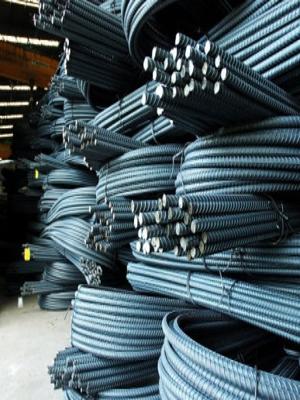
- Steel: Rs255,000 per ton
- Gravel: Rs3,500 per trolley
- Sand: Rs3,000 per trolley
- Masonry labour: Rs2,500 per day
- General labour: Rs1,500 per day
Additionally, prices of cement plaster, standard marble, plumbing materials, tiles, paints, and electrical supplies have increased by up to 30 per cent, further inflating finishing costs.
Increased Reliance on Old and Recycled Materials
Due to the sharp rise in new brick prices, contractors are increasingly reusing old bricks from demolished buildings. While this practice helps reduce costs, it requires careful quality checks and professional handling to maintain structural strength.
Experienced construction firms like Gemcon Engineering ensure that reused materials are properly tested and integrated without compromising safety or durability.
Rising Construction Costs: A Comparison Over Time
Contractors confirm that construction costs have nearly doubled over the last two years.
Contractor Haji Sultan Mahmood explains:
“Three to four years ago, a four-marla double-storey house could be completed for Rs7.5 to 8 million. Today, the same house costs more than Rs10 million.”
This sharp increase has drastically reduced profit margins and purchasing power across the market.
Shift Toward Smaller Housing Units
To cope with rising costs, builders and developers are changing construction patterns:
- Reduced construction of four- and five-marla houses
- Increased focus on two-, two-and-a-half, and three-marla homes
- Five-marla plots divided into two units of two-and-a-half marla
- More double-storey constructions to maximize usable space
This trend is particularly visible in rapidly developing areas like Islamabad, Rawalpindi, and emerging housing societies.
Impact on Homebuyers and Investors
The surge in material prices has affected all stakeholders:
Homebuyers
- Reduced house sizes
- Delayed construction projects
- Increased reliance on installment-based construction
Investors
- Lower short-term returns
- Shift toward compact housing projects
- Increased demand for professional cost management
Developers
- Revised project planning
- Focus on affordability-driven designs
- Emphasis on efficient land utilization
How Gemcon Engineering Is Managing Rising Costs
Despite these industry-wide challenges, Gemcon Engineering continues to deliver high-quality, cost-effective construction solutions through strategic planning and modern engineering practices.
Gemcon Engineering’s Key Strategies:
- Accurate cost estimation and budgeting
- Optimized material usage to reduce waste
- Strong supplier partnerships for better pricing
- Strict quality control at every construction stage
- Smart architectural planning for space efficiency
- Use of modern tools and construction technology
By combining technical expertise with financial discipline, Gemcon Engineering helps clients complete projects on time and within realistic budgets—even during periods of market volatility.
Why Choosing the Right Construction Partner Matters More Than Ever
In times of rising costs, selecting an experienced and transparent construction company becomes crucial. Poor planning or low-quality execution can lead to long-term financial losses.
Gemcon Engineering stands out by offering:
- Transparent pricing
- Professional project management
- Durable and future-ready construction
- Compliance with safety and engineering standards
The Future Outlook of Pakistan’s Construction Industry
While the upward trend in building material prices continues, industry experts believe that:
- Policy reforms
- Tax rationalization
- Stabilization of energy prices
could gradually ease pressure on the construction sector. Until then, smart planning and professional execution remain the key to sustainable development.
Conclusion
The record-high prices of building materials have transformed Pakistan’s construction landscape, forcing builders and buyers to adapt to new realities. However, with the right strategy and a trusted construction partner like Gemcon Engineering, quality construction is still achievable—even in challenging economic conditions.