
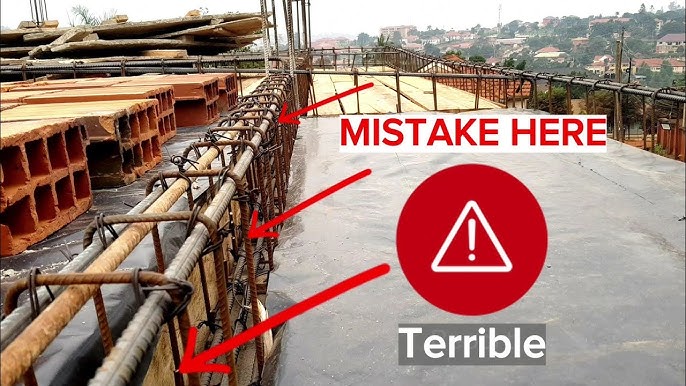
The B-12 sector in Islamabad is rapidly developing, with many residential and commercial construction projects underway. As the area grows, the demand for modern houses, commercial plazas, and infrastructure has increased significantly. However, rapid construction often brings challenges. Engineers working on projects in B-12 frequently observe mistakes that can affect structural safety, durability, and long-term maintenance.
Understanding these mistakes is essential for homeowners, developers, and contractors. By learning from these common issues, project stakeholders can avoid costly repairs and ensure buildings remain safe and durable for decades. Professional engineering companies like Gemcon Engineering play a critical role in preventing such errors through proper design, supervision, and quality control.
Below are some of the most common construction mistakes engineers notice in B-12 sector projects.
1. Skipping Proper Soil Testing
One of the biggest mistakes in many residential construction projects is ignoring soil testing before laying the foundation. In areas like B-12, soil conditions can vary significantly from one plot to another. Without proper geotechnical investigation, builders may choose an unsuitable foundation type.
Soil testing helps engineers determine the soil’s bearing capacity and identify potential issues like settlement or water retention. Without this information, foundations may crack or sink over time. According to construction experts, skipping soil tests can result in structural instability and long-term foundation problems.
Professional engineering firms such as Gemcon Engineering always recommend conducting soil analysis before starting construction to ensure the correct foundation design.
2. Poor Site Preparation
Another common mistake is starting construction without properly preparing the site. Proper site preparation includes leveling the ground, clearing debris, and planning drainage systems.
If the site is not prepared correctly, it can cause uneven foundations and water accumulation around the building. Poor site preparation may also lead to construction delays and additional costs during later stages of the project.
In developing sectors like B-12, where land grading and infrastructure are still evolving, careful site preparation is especially important to avoid future structural issues.
3. Using Low-Quality Construction Materials
Many developers try to reduce construction costs by using cheaper materials such as low-grade cement, poor-quality sand, or weak steel reinforcement. While this may lower initial expenses, it significantly reduces the strength and durability of the building.
Low-quality materials weaken the structure and increase the chances of cracks, water leakage, and structural damage over time.
Experienced engineers strongly emphasize the use of certified construction materials and proper quality control. Companies like Gemcon Engineering ensure that projects use reliable materials that meet engineering standards.
4. Poor Drainage and Waterproofing
Water damage is one of the most underestimated problems in residential construction. Without proper drainage systems, rainwater can accumulate around the foundation, leading to soil erosion and structural weakening.
Experts note that inadequate drainage or waterproofing can cause cracks in foundations and long-term moisture problems inside buildings.
In Islamabad’s climate, where heavy monsoon rains can occur, proper drainage planning is essential. Engineers recommend installing drainage channels, waterproof membranes, and proper grading to protect buildings from water damage.
5. Lack of Professional Supervision
Construction is a complex process involving multiple stages, including foundation work, structural framing, electrical systems, plumbing, and finishing. Without proper supervision, mistakes can occur easily.
Lack of supervision may lead to:
- Incorrect reinforcement placement
- Improper concrete mixing
- Poor curing of concrete
- Incorrect alignment of columns and beams
These mistakes can compromise the structural safety of the building. Engineers highlight that professional supervision ensures construction follows design specifications and safety standards.
Working with experienced engineering consultants like Gemcon Engineering helps ensure that construction activities are monitored by qualified professionals.
6. Improper Concrete Curing
Concrete curing is a critical step in construction. After pouring concrete for foundations, columns, or slabs, the material must be kept moist for several days to achieve its full strength.
Many builders rush this process to save time, which weakens the concrete and causes cracks later. Proper curing allows concrete to develop its designed strength and durability.
Engineers often observe that inadequate curing leads to brittle concrete and reduced structural life.
7. Incorrect Reinforcement Placement
Steel reinforcement plays a vital role in strengthening concrete structures. However, in some projects, reinforcement bars are not placed according to structural drawings.
Common reinforcement mistakes include:
- Incorrect spacing of steel bars
- Misaligned reinforcement cages
- Insufficient steel cover
Such mistakes reduce the load-bearing capacity of the structure and increase the risk of structural failure. Engineers must carefully inspect reinforcement before pouring concrete to ensure it matches the design requirements.
8. Poor Planning and Cost Estimation
Another common issue in B-12 sector projects is poor planning. Some homeowners begin construction without a detailed budget, construction schedule, or Bill of Quantities (BOQ).
This often leads to:
- Budget overruns
- Delayed project completion
- Compromises on material quality
Proper planning and cost estimation help ensure that projects remain financially manageable and structurally sound.
Professional engineering firms like Gemcon Engineering help clients prepare accurate project plans, cost estimates, and construction schedules.
9. Ignoring Building Codes and Engineering Standards
Every construction project must follow local building codes and engineering standards. These regulations ensure that buildings are safe, structurally sound, and resistant to environmental factors.
Unfortunately, some small contractors ignore these standards to reduce costs or speed up construction. This can lead to unsafe structures that may not withstand earthquakes, heavy loads, or extreme weather conditions.
Hiring professional engineers ensures compliance with construction standards and reduces the risk of legal or structural issues.
10. Inadequate Communication Between Teams
Construction projects involve multiple teams, including architects, engineers, contractors, and laborers. Poor communication between these teams often results in design errors or construction mistakes.
For example:
- Plumbing pipes may conflict with structural beams
- Electrical wiring may not follow the planned layout
- Structural modifications may occur without engineering approval
Proper coordination and communication between all project stakeholders are essential to ensure successful construction.
Conclusion
The rapid development of the B-12 sector presents exciting opportunities for homeowners and developers. However, construction mistakes can lead to serious structural problems, financial losses, and safety risks.
Common issues such as skipping soil testing, poor site preparation, low-quality materials, inadequate supervision, and improper drainage can significantly affect building performance. Avoiding these mistakes requires professional planning, engineering expertise, and strict quality control.
Working with experienced engineering firms like Gemcon Engineering ensures that projects follow proper engineering standards from design to completion. With expert supervision and careful planning, construction in B-12 can achieve long-lasting safety, durability, and value.