
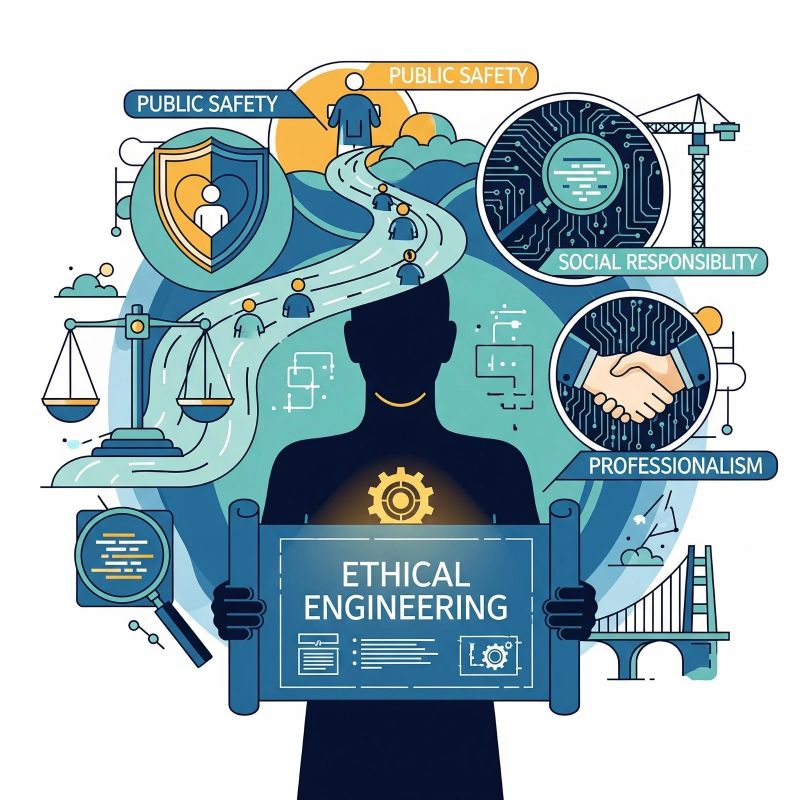
Islamabad is one of Pakistan’s most carefully planned and rapidly developing cities. From high-rise commercial plazas to modern housing societies and infrastructure upgrades, the capital continues to expand at a fast pace. However, with this growth comes serious responsibility. Engineering ethics and professional responsibility are essential to ensure that urban projects remain safe, sustainable, and beneficial for the community.
In a city regulated by strict development authorities, ethical engineering practices are not optional — they are mandatory. Professional firms like https://gemconengineering.com/ understand that technical expertise must always be supported by strong ethical values and accountability.
Understanding Engineering Ethics
Engineering ethics refers to the moral principles and professional standards that guide engineers in their daily work. These principles ensure that projects are designed, supervised, and executed with honesty, safety, transparency, and fairness.
In Islamabad’s urban projects, engineering ethics involves:
- Ensuring public safety
- Following CDA regulations and building codes
- Maintaining transparency in project costs
- Using approved and quality materials
- Avoiding conflicts of interest
- Delivering projects according to approved standards
Ethical engineering protects clients, investors, and the general public who rely on these structures every day.
Importance of Professional Responsibility in Urban Development
Islamabad’s urban environment includes residential sectors, commercial centers, hospitals, schools, and government buildings. Any negligence in engineering responsibility can lead to structural damage, financial loss, legal complications, and even loss of life.
Professional responsibility includes:
- Accurate structural design calculations
- Comprehensive soil testing before construction
- Compliance with environmental standards
- Honest reporting and documentation
- Clear communication with stakeholders
Reputable firms such as https://gemconengineering.com/ emphasize accountability at every stage — from initial feasibility studies to final project handover.
Compliance with CDA Regulations
The Capital Development Authority (CDA) is responsible for regulating construction activities in Islamabad. Engineers must strictly adhere to its guidelines to ensure lawful and safe development.
Compliance includes:
- Approved architectural and structural drawings
- Height and zoning regulations
- Fire safety requirements
- Environmental approvals
- Structural safety certifications
Ignoring CDA regulations can result in penalties, project suspension, or even demolition. Ethical engineering ensures full compliance with legal and regulatory frameworks.
Public Safety as the Top Priority
Public safety is the primary responsibility of every engineer. With increasing vertical construction in commercial hubs such as Blue Area and other business districts, structural integrity becomes critically important.
Engineers must:
- Design earthquake-resistant structures
- Follow seismic safety codes
- Use certified construction materials
- Conduct regular on-site inspections
- Monitor construction quality continuously
Compromising safety to cut costs can lead to catastrophic consequences. Ethical companies like https://gemconengineering.com/ prioritize long-term structural safety over short-term financial gain.
Transparency in Project Management
Transparency is key to building trust between engineers, clients, contractors, and regulatory authorities. Ethical engineering promotes openness at every level.
Transparent practices include:
- Detailed cost breakdowns
- Clear contracts and agreements
- Honest timeline commitments
- Regular progress updates
- Immediate reporting of project challenges
Urban development projects often involve significant investments. Transparent management ensures clients understand how resources are being used.
Sustainable and Environmentally Responsible Design
Islamabad is known for its green spaces, Margalla Hills views, and carefully planned sectors. Engineers have a responsibility to preserve this ecological balance.
Ethical engineering promotes:
- Energy-efficient building designs
- Sustainable construction materials
- Proper waste management systems
- Water conservation methods
- Green building standards
Urban development should enhance the city without harming its natural beauty. Responsible engineering ensures long-term environmental sustainability.
Avoiding Conflicts of Interest
Professional integrity demands impartial decision-making. Engineers must avoid situations where personal benefit interferes with professional judgment.
This includes:
- Not approving substandard materials for personal gain
- Not favoring specific contractors unfairly
- Disclosing financial interests related to projects
- Maintaining independence in inspections and certifications
In Islamabad’s competitive construction market, maintaining credibility is essential for long-term success.
Ethical Challenges in Islamabad’s Urban Projects
Despite strict regulations, engineers may face various ethical challenges, including:
- Client pressure to reduce construction costs
- Requests to bypass certain approval processes
- Tight deadlines that may affect quality
- Competitive underquoting in tenders
Professional responsibility requires resisting unethical shortcuts. Experienced firms like https://gemconengineering.com/ maintain strict quality control systems to ensure that standards are never compromised.
Role of Engineering Firms in Building Trust
Engineering firms play a vital role in maintaining professional standards across projects. Their responsibilities include:
- Hiring licensed and qualified engineers
- Providing continuous professional training
- Following Pakistan Engineering Council (PEC) guidelines
- Maintaining complete documentation
- Conducting third-party inspections when required
Strong internal systems help ensure consistency, accountability, and reliability in every project.
Risk Management and Ethical Decision-Making
Urban development projects carry technical, financial, and environmental risks. Ethical engineers take proactive steps to manage these risks responsibly.
They:
- Conduct feasibility studies
- Identify structural and environmental hazards
- Recommend mitigation strategies
- Inform clients honestly about potential risks
Professional integrity requires engineers to provide truthful advice — even if it means advising against unsafe or impractical proposals.
Community Impact and Social Responsibility
Urban projects affect thousands of residents. Roads, commercial plazas, and housing societies influence traffic flow, infrastructure demand, and population density.
Ethical engineers must consider:
- Public accessibility
- Noise and pollution control
- Traffic management
- Impact on surrounding communities
- Long-term urban planning implications
Engineering is not just about constructing buildings — it is about shaping communities and improving quality of life.
Quality Assurance and Accountability
Quality assurance ensures that projects meet established standards and perform safely over time.
Key quality control measures include:
- Material testing and certification
- Structural inspections at various stages
- Documentation of site activities
- Verification of engineering calculations
- Compliance audits
Professional firms such as https://gemconengineering.com/ implement strict quality assurance systems to maintain high standards across Islamabad’s urban projects.
The Future of Ethical Engineering in Islamabad
As Islamabad continues to grow through smart city initiatives and modern infrastructure development, the demand for ethical engineering practices will increase significantly.
Future urban development must integrate:
- Smart building technologies
- Sustainable infrastructure planning
- Digital project monitoring systems
- Stronger regulatory compliance frameworks
- Transparent procurement processes
Engineering ethics will remain the backbone of safe and sustainable urban expansion.
Conclusion
Engineering ethics and professional responsibility are fundamental to Islamabad’s urban growth. In a city known for structured planning and regulatory oversight, engineers must uphold the highest standards of safety, integrity, and transparency.
Ethical engineering protects public lives, strengthens client confidence, and supports long-term sustainability. Firms like <a href=”https://gemconengineering.com/”>Gemcon Engineering</a> demonstrate that professional excellence is not only about technical expertise — it is about accountability, honesty, and commitment to community welfare.
Urban development is inevitable. Ethical engineering ensures that this growth remains safe, sustainable, and beneficial for generations to come.