
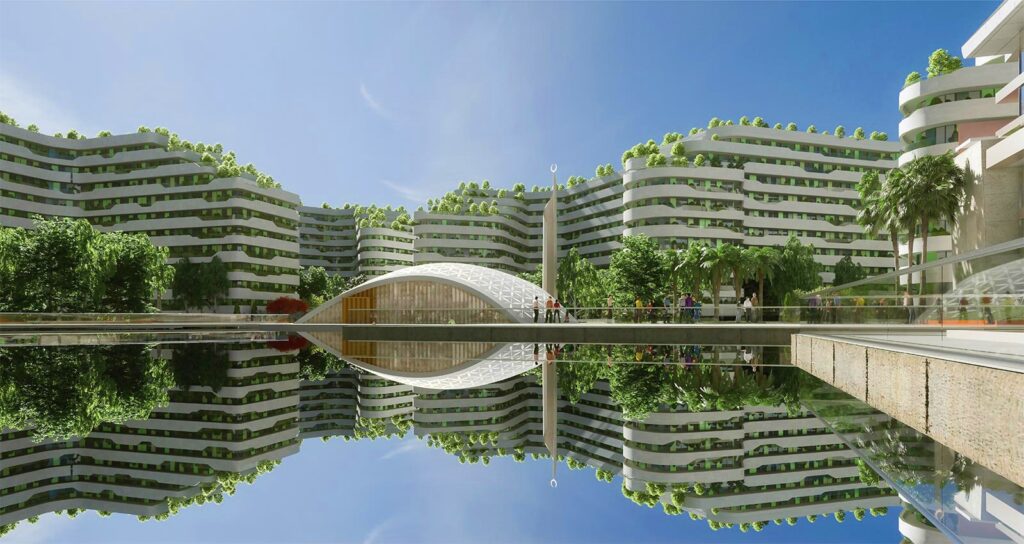
Urban development is evolving rapidly across Pakistan, especially in twin cities like Islamabad and Rawalpindi. With growing populations, expanding housing societies, and increasing infrastructure demands, engineering innovation has become more important than ever.
Modern engineering is no longer just about constructing buildings and roads. It is about designing smarter cities, improving public services, enhancing sustainability, and creating comfortable urban lifestyles. Engineering innovation can transform how people live, travel, work, and interact within these rapidly growing cities.
Let’s explore how innovative engineering solutions can significantly improve urban life in Islamabad and Rawalpindi.
1. Smart Infrastructure Development
One of the most impactful contributions of engineering innovation is smart infrastructure. Traditional construction methods are being replaced with intelligent systems that improve efficiency and durability.
Smart infrastructure includes:
• Intelligent traffic management systems
• Energy-efficient buildings
• Smart street lighting
• Automated water distribution systems
For example, sensor-based traffic control systems can reduce congestion on major roads such as Murree Road and Islamabad Expressway. By analyzing real-time traffic data, engineers can design adaptive signals that minimize delays and fuel consumption.
Similarly, smart lighting systems that adjust brightness based on activity levels can reduce electricity costs and enhance safety at night.
2. Sustainable and Energy-Efficient Buildings
Energy consumption is a major challenge in urban areas. Engineering innovation can promote green construction practices that reduce electricity usage and environmental impact.
Modern buildings now integrate:
• Solar panel systems
• Energy-efficient insulation
• Smart HVAC systems
• Rainwater harvesting mechanisms
Islamabad, known for its planned sectors, can lead the way in sustainable housing by encouraging eco-friendly building designs. Rawalpindi’s commercial and residential zones can also adopt green retrofitting techniques to improve older structures.
Energy-efficient buildings not only lower utility bills but also contribute to environmental sustainability — an essential factor for long-term urban development.
3. Improved Public Transportation Systems
Traffic congestion is one of the biggest problems faced by residents of Islamabad and Rawalpindi. Engineering innovation plays a key role in designing efficient transport systems.
Projects like the Rawalpindi-Islamabad Metrobus demonstrate how structured transport planning can ease mobility challenges. However, further improvements are needed.
Future engineering solutions may include:
• Smart bus tracking systems
• Integrated transport apps
• Dedicated cycling lanes
• Electric vehicle charging infrastructure
By modernizing public transport, engineers can reduce travel time, lower carbon emissions, and improve overall convenience for daily commuters.
4. Advanced Water Management Systems
Water shortages and drainage issues are serious urban concerns. Engineering innovation can introduce efficient water management systems to address these challenges.
Modern solutions include:
• Smart water meters
• Leak detection systems
• Underground rainwater storage
• Flood control drainage design
Rawalpindi often experiences water accumulation during heavy rainfall. Proper stormwater engineering can prevent flooding and road damage. Islamabad’s growing sectors also require well-designed water supply networks to meet rising demand.
With proper engineering planning, cities can ensure clean, reliable water access for all residents.
5. Smart Waste Management Solutions
Rapid population growth has increased solid waste generation in both cities. Traditional waste collection systems are often inefficient and inconsistent.
Innovative engineering approaches can introduce:
• Sensor-based smart bins
• Waste segregation systems
• Recycling plants
• Waste-to-energy facilities
Such systems improve cleanliness, reduce pollution, and create a healthier urban environment. Smart waste management also supports sustainability goals and improves the overall lifestyle of citizens.
6. Earthquake-Resistant and Safe Structures
Pakistan lies in a seismic zone, making structural safety a priority. Engineering innovation ensures that new buildings comply with earthquake-resistant design standards.
Modern structural engineering tools allow:
• Accurate seismic analysis
• Stronger foundation systems
• Reinforced concrete technologies
• Structural monitoring systems
In cities like Islamabad and Rawalpindi, where high-rise buildings and commercial plazas are increasing, safe design is essential to protect lives and investments.
7. Smart Housing Societies and Urban Planning
The rise of new housing societies in the twin cities requires modern planning approaches. Engineering innovation supports better land use, improved road networks, and efficient utility systems.
Smart urban planning includes:
• Proper zoning regulations
• Underground electrical wiring
• Centralized sewage systems
• Digital mapping and GIS systems
When housing developments are designed with advanced engineering principles, they offer better living standards, organized infrastructure, and long-term value for residents.
8. Digitalization in Construction and Project Management
Technology-driven engineering tools such as Building Information Modeling (BIM), drone surveys, and AI-based project tracking are transforming the construction industry.
These innovations provide:
• Accurate project visualization
• Reduced construction errors
• Faster project completion
• Cost efficiency
Professional engineering firms adopting such technologies deliver higher quality and more reliable projects. To explore modern engineering standards and professional services, you can visit:
Firms that embrace innovation contribute directly to improving urban lifestyle by delivering durable, efficient, and future-ready infrastructure.
9. Enhanced Safety and Security Systems
Engineering innovation also improves public safety through:
• Smart surveillance systems
• Emergency response infrastructure
• Fire-resistant building materials
• Smart alarm systems
Urban areas benefit greatly from integrated safety solutions that reduce risks and improve emergency management. Technology-enabled security systems make residential and commercial spaces safer for citizens.
10. Environmental Protection and Green Spaces
Islamabad is known for its natural beauty and greenery. Engineering innovation can help preserve and expand green areas through:
• Sustainable landscaping
• Smart irrigation systems
• Eco-friendly construction materials
• Urban forest development
Rawalpindi can also improve environmental quality by incorporating green belts and parks into urban planning.
Protecting the environment while expanding infrastructure ensures a healthier and more enjoyable lifestyle for residents.
The Role of Engineering Companies in Urban Transformation
Engineering innovation does not happen automatically. It requires professional expertise, strategic planning, and technical excellence.
Engineering firms in Islamabad and Rawalpindi are responsible for:
• Designing modern infrastructure
• Ensuring safety standards
• Implementing sustainable solutions
• Managing complex development projects
Companies that prioritize innovation, quality, and practical implementation contribute significantly to urban improvement. By adopting global engineering standards and advanced technologies, these firms help shape smarter cities.
Conclusion
Engineering innovation is the backbone of urban development in Islamabad and Rawalpindi. From smart infrastructure and sustainable buildings to advanced transportation and water management systems, modern engineering solutions directly impact daily life.
As these cities continue to grow, innovative engineering practices will determine the quality of urban living. Sustainable planning, digital transformation, and professional project execution are essential for long-term success.
With continuous technological advancement and responsible engineering practices, Islamabad and Rawalpindi can become models of smart, safe, and sustainable urban development in Pakistan.