
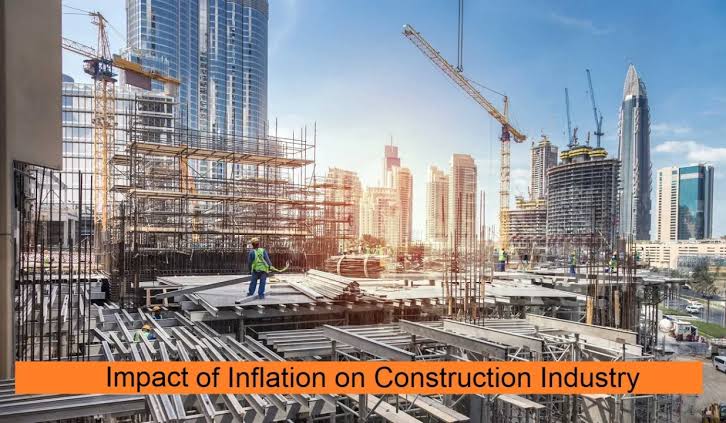
The construction industry in Pakistan has long been recognized as a key driver of economic growth. It stimulates allied sectors such as cement, steel, and real estate, while providing significant employment opportunities across skilled and unskilled labour. However, in recent years inflation and rising taxes have created an increasingly challenging environment for investors and construction firms alike — including rising project costs, delayed timelines, and reduced incentives for new investment.
Rising Inflation: A Double-Edged Sword
Inflation — the sustained increase in prices for goods and services — has far-reaching impacts on the construction sector. Within Pakistan’s economy, inflation has been volatile, pushing the cost of materials, energy, and labour upward. This trend has placed enormous pressure on construction firms to adapt their financial planning.
Material and Input Costs
One of the most direct effects of inflation is the escalation of construction material prices. Materials such as cement, steel, glass, and bricks — already essential to any construction project — have seen sharp price increases in recent years. For instance, cement prices more than doubled between 2020 and 2025, while steel costs nearly followed suit.
This surge has several consequences:
- Project budgets balloon, often exceeding initial estimates.
- Profit margins shrink, especially on long-term contracts where prices are fixed.
- Contractual disputes increase, as developers request renegotiations to cover cost escalations.
For a company like Gemcon Engineering, this means being more vigilant in budgeting and cost forecasting — and often educating clients on why flexibility in financial planning is necessary during inflationary cycles.
Labour and Operational Pressures
Inflation also affects labour costs. As the cost of living rises, workers demand higher wages. For construction companies, this means higher payroll expenses, which further squeeze already tight project budgets.
Operational costs, such as fuel for machinery and transportation, also rise with inflation. When fuel and electricity prices climb, construction logistics become more expensive — often pushing companies to invest in alternative power solutions or absorb the extra cost to keep projects moving on schedule.
Tax Burden & Its Ripple Effects on Investment
Taxes — while an essential tool for government revenue — have added additional stress to the construction industry. Over recent budget cycles, tax policies have introduced higher levies on real estate transactions and increased withholding taxes on property and contractor income.
Deterred Investment
Higher taxes on property transactions and capital gains can make real estate and construction less attractive to investors. When potential returns are reduced by significant tax burdens, investors begin to look for alternative asset classes or foreign markets where net returns are more appealing. This lack of investment slows project initiations and can delay economic growth within the sector.
Furthermore, tax increases often lead to higher prices for end customers. Developers are likely to pass on these added costs, which can reduce demand from buyers looking for affordable housing — a critical market in Pakistan’s rapidly urbanizing environment.
Impact on Smaller Builders
For smaller builders and developers, the tax burden can be even more challenging. Compliance requirements, advanced tax payments, and higher effective tax rates can strain financial resources, especially for firms without strong capital buffers. This dynamic leads to a market dominated by larger entities that can absorb tax expenses, while smaller firms struggle to compete.
Combined Effects: Slowed Growth and Project Delays
When inflation and taxes collide, the combined effect can slow sector growth significantly. Rising costs shrink profit margins, reduce investment incentives, and often force developers to pause or cancel projects. According to industry sources, many construction projects in Pakistan have halted or slowed due to the rising cost pressures — harming local employment and allied industries that rely heavily on construction activity.
This slowdown not only impacts construction companies but also affects cement manufacturers, steel producers, transport services, and numerous small-scale suppliers. As projects stall, demand for raw materials declines, leading to a contraction across the industry ecosystem.
Government Response and Policy Adjustments
Recognizing these pressures, the government has proposed several policy changes aimed at easing the tax burden on property and stimulating investment:
- Federal excise duty reductions for the property and real estate sector have been suggested in recent budget proposals. (Dawn News)
- Incentives for overseas Pakistanis, including tax reliefs, are under discussion to attract foreign investment back into construction and real estate.
Should these proposals become policy, they have the potential to reinvigorate investment sentiment and help counteract inflationary drag on the sector.
Strategic Approaches for Construction Firms
For construction firms like Gemcon Engineering, navigating inflation and tax challenges requires proactive strategies:
Detailed Cost Forecasting
Companies must adopt dynamic budgeting tools that account for inflationary trends. This includes forecasting material prices, labour rates, and energy costs over the duration of projects — not just at inception.
Value Engineering
Optimizing design and construction methods to eliminate waste without sacrificing quality can help control costs. Value engineering can also enable firms to provide competitive bids without overexposing themselves to inflation risk.
Transparent Client Communication
Educating clients about inflation’s impact encourages shared decision-making. When clients understand potential cost fluctuations, they are more likely to support budget adjustments and schedule revisions.
Policy Engagement
Industry associations and companies must continue engaging with policymakers to advocate for tax reforms and incentives that support construction investment. Active participation in policy discussions can yield reforms that benefit the sector as a whole.
Final Thoughts
Inflation and tax policies are reshaping the construction investment landscape in Pakistan. While these macroeconomic factors introduce challenges, they also present opportunities for forward-thinking companies prepared to adapt their financial planning, embrace innovation, and engage with policymakers.
For investors and developers, understanding these dynamics is crucial — and with expertise from experienced firms like Gemcon Engineering, navigating these headwinds becomes a strategic advantage. By adopting smart planning and maintaining flexibility, Pakistan’s construction sector can continue to grow, attract investment, and contribute significantly to the nation’s economic future.