
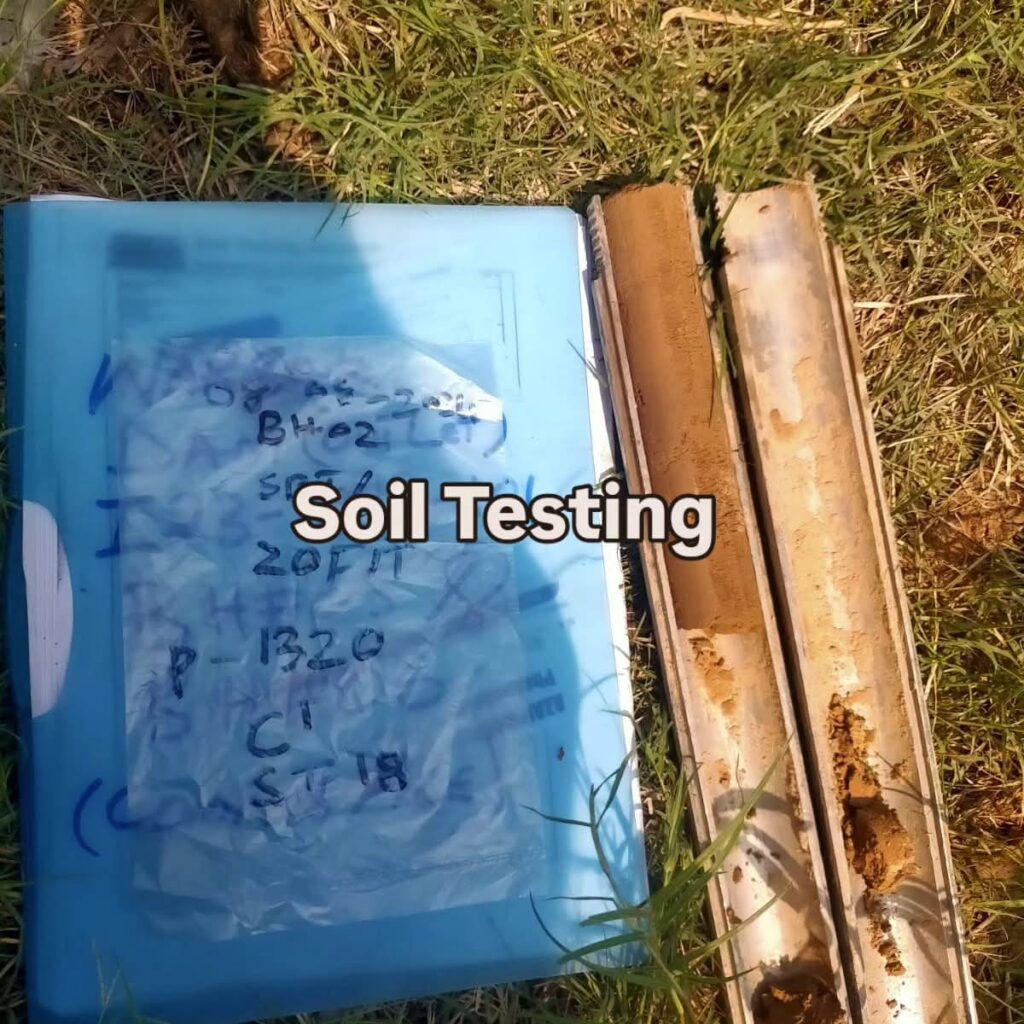
The construction industry in Islamabad is expanding rapidly, especially in developing residential areas like B-17 Sector. With new houses, plazas, and commercial buildings being developed every day, proper planning before construction has become more important than ever. One of the most critical steps in construction planning is soil investigation.
Many people focus on architectural design, materials, and budget while ignoring soil testing. However, the strength and safety of any building depend greatly on the condition of the soil beneath it. Soil investigation helps engineers understand the ground conditions and design foundations that ensure stability and durability for decades.
What is Soil Investigation?
Soil investigation, also called geotechnical investigation, is the process of analyzing the physical and mechanical properties of soil before construction begins. Engineers collect soil samples from the construction site and conduct laboratory and field tests to determine:
- Soil bearing capacity
- Soil type and composition
- Groundwater level
- Soil density and strength
- Risk of settlement or shifting
These tests provide engineers with the information needed to design the correct foundation for the building.
Why Soil Investigation is Important in B-17 Sector
1. Determines the Soil Bearing Capacity
One of the main purposes of soil investigation is to determine how much load the soil can safely support. If the soil has low bearing capacity, the building may experience settlement or structural damage over time.
In B-17 Sector, soil conditions can vary from plot to plot. Some areas may have compact soil suitable for shallow foundations, while others may require deeper foundations or special engineering solutions. Soil investigation helps engineers design foundations according to these conditions.
2. Prevents Structural Failures
Without proper soil testing, engineers may assume incorrect soil strength, which can lead to structural problems such as:
- Cracks in walls and floors
- Uneven settlement of the building
- Foundation failure
- Long-term structural instability
Conducting soil investigation ensures that the building is designed to handle the loads safely and reduces the risk of structural failures.
3. Helps Choose the Right Foundation Type
Different soil conditions require different types of foundations. Soil investigation helps engineers decide whether to use:
- Shallow foundations
- Raft foundations
- Pile foundations
- Strip footings
This decision is crucial because the foundation transfers the building load to the ground. Proper soil testing ensures the right foundation system is selected for long-term stability.
4. Identifies Groundwater Issues
Another important factor in construction is the groundwater level. High groundwater levels can cause several problems such as:
- Weak foundation support
- Water seepage in basements
- Soil erosion around foundations
Soil investigation allows engineers to understand groundwater conditions and design appropriate drainage and waterproofing systems.
5. Saves Construction Costs in the Long Run
Some people avoid soil investigation to save initial costs. However, skipping this step can lead to serious structural issues that require expensive repairs later.
A proper soil investigation helps:
- Avoid foundation redesign during construction
- Prevent structural repairs in the future
- Optimize construction costs
- Ensure efficient use of building materials
In reality, soil investigation saves money by preventing costly mistakes.
6. Ensures Compliance with Engineering Standards
Professional construction projects follow proper engineering and safety standards. Soil investigation is an essential part of responsible construction planning.
Reputable engineering firms like Gemcon Engineering emphasize soil testing before starting any construction project. Their professional team conducts geotechnical assessments to ensure that buildings are safe, durable, and built according to modern engineering practices.
Common Soil Tests Conducted Before Construction
During soil investigation, engineers perform several tests, including:
Standard Penetration Test (SPT)
This test determines soil density and strength by measuring resistance during drilling.
Moisture Content Test
This test identifies the amount of water present in the soil, which affects stability.
Grain Size Analysis
Engineers analyze the soil composition, including sand, silt, and clay percentages.
Shear Strength Test
This test measures the soil’s resistance to sliding or shear forces.
Compaction Test
It determines the soil’s ability to support structural loads.
These tests help engineers make informed decisions about foundation design.
Soil Conditions in Developing Sectors
Developing sectors like B-17 Sector often have mixed soil conditions because the land may include natural soil layers, filled land, or uneven compaction.
Because of these variations, two plots located next to each other may have completely different soil characteristics. This is why soil investigation is recommended for every plot before construction begins.
The Role of Engineers in Soil Investigation
Professional engineers analyze soil investigation reports and design foundations accordingly. Their responsibilities include:
- Conducting site surveys
- Supervising soil testing procedures
- Interpreting geotechnical reports
- Designing safe foundation systems
Experienced engineering companies ensure that soil investigation results are properly incorporated into the structural design.
Risks of Skipping Soil Investigation
If construction begins without soil testing, several problems may occur in the future:
- Foundation settlement
- Structural cracks
- Water leakage in basements
- Reduced building lifespan
- Safety risks for occupants
These issues can significantly reduce property value and require expensive structural repairs.
Conclusion
Soil investigation is one of the most important steps before starting construction in B-17 Sector. It provides engineers with crucial information about soil strength, groundwater conditions, and ground stability.
By conducting proper soil testing, builders can design strong foundations, prevent structural failures, and ensure the long-term safety of the building. Investing in soil investigation may seem like an extra step, but it ultimately protects both the structure and the people who live or work inside it.
For safe and professional construction planning, working with experienced engineering consultants such as Gemcon Engineering ensures that all necessary investigations and structural designs are completed according to modern engineering standards.