
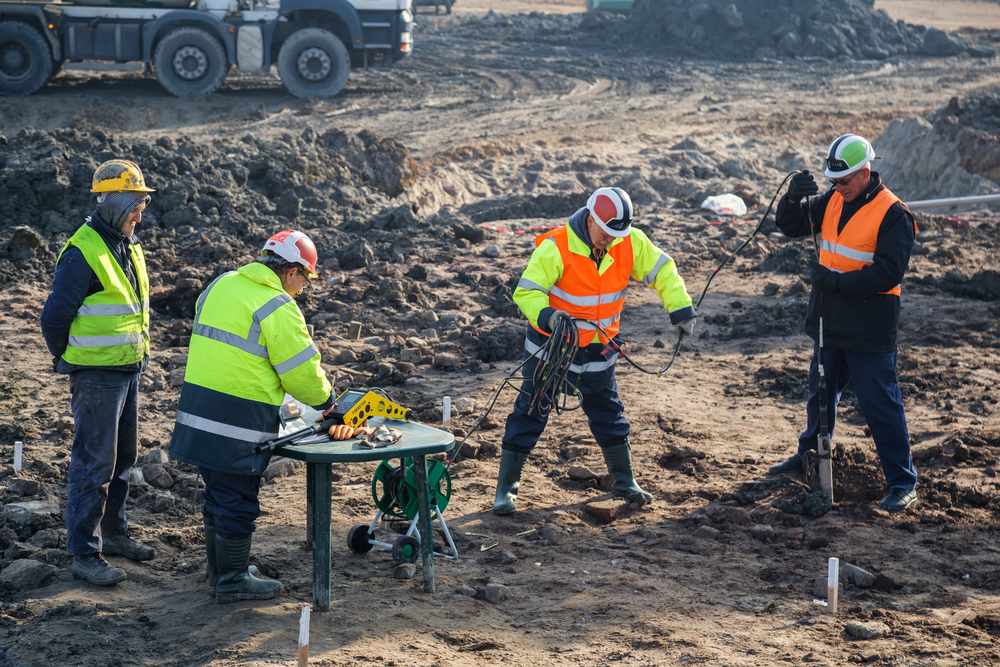
Safe and durable housing is the foundation of a stable society. Whether it’s a small residential home or a large housing society, the strength of any structure depends heavily on the ground it is built on. This is where geotechnical engineering plays a crucial role. It focuses on analyzing soil, rock, and underground conditions to ensure that buildings are constructed safely and efficiently.
In modern construction, geotechnical engineering is not optional—it is essential. From preventing structural failures to ensuring long-term stability, it acts as the backbone of safe housing development. For expert engineering solutions, visit https://gemconengineering.com/.
What is Geotechnical Engineering?
Geotechnical engineering is a branch of civil engineering that deals with the behavior of earth materials such as soil and rock. Engineers study these materials to determine their suitability for construction projects.
Before starting any housing project, geotechnical engineers conduct site investigations to evaluate factors like:
- Soil strength
- Bearing capacity
- Groundwater levels
- Soil type and composition
This information helps in designing foundations that can safely support the structure. Learn more about professional services at https://gemconengineering.com/.
Why Geotechnical Engineering is Important in Housing Development
1. Ensures Strong Foundation Design
The foundation is the most critical part of any building. If the foundation is weak, the entire structure is at risk. Geotechnical engineers determine the type of foundation required based on soil conditions.
For example:
- Soft soil may require deep foundations like piles
- Hard soil may support shallow foundations
A properly designed foundation prevents cracks, settlement, and structural failure. Expert guidance is available at https://gemconengineering.com/.
2. Prevents Structural Failures
One of the biggest risks in housing development is building collapse due to poor ground conditions. Without proper soil analysis, structures may suffer from uneven settlement, leading to cracks and instability.
Geotechnical engineering helps identify potential risks early and provides solutions to avoid disasters. This ensures the safety of residents and protects investments.
3. Helps in Soil Testing and Analysis
Soil testing is a key part of geotechnical engineering. It involves collecting soil samples and analyzing them in laboratories. Tests determine:
- Load-bearing capacity
- Moisture content
- Compaction ability
- Shear strength
Accurate soil testing ensures that construction is done on a stable base. For reliable soil testing services, visit https://gemconengineering.com/.
4. Manages Groundwater Issues
Groundwater can significantly affect building stability. High water tables can weaken soil and cause issues like:
- Foundation shifting
- Basement flooding
- Soil erosion
Geotechnical engineers design drainage systems and waterproofing solutions to manage groundwater effectively. This protects the structure from long-term damage.
5. Reduces Construction Risks
Construction projects involve many uncertainties, especially related to underground conditions. Geotechnical engineering minimizes these risks by providing accurate data about the site.
This helps:
- Avoid unexpected delays
- Reduce extra costs
- Improve construction planning
By identifying potential problems early, developers can make informed decisions. Learn more at https://gemconengineering.com/.
Key Processes in Geotechnical Engineering
Site Investigation
This is the first step in any housing project. Engineers visit the site and conduct field tests such as:
- Borehole drilling
- Standard Penetration Tests (SPT)
- Cone Penetration Tests (CPT)
These tests provide valuable data about subsurface conditions.
Soil Testing
Laboratory testing is conducted to analyze soil properties. These tests help determine how soil will behave under different loads.
Foundation Design
Based on soil data, engineers design suitable foundations. The goal is to distribute the building load safely to the ground.
Slope Stability Analysis
In hilly or uneven areas, slope stability is a major concern. Geotechnical engineers assess slopes to prevent landslides and erosion.
Types of Foundations in Housing Projects
Shallow Foundations
- Suitable for stable and strong soils
- Includes strip footings and raft foundations
Deep Foundations
- Used in weak or loose soils
- Includes pile foundations and drilled shafts
Choosing the right type of foundation is essential for structural safety. For professional consultation, visit https://gemconengineering.com/.
Geotechnical Engineering in Urban Housing
With rapid urbanization, cities are expanding quickly. This increases the demand for safe housing. However, urban areas often face challenges such as:
- Limited space
- Poor soil conditions
- High groundwater levels
Geotechnical engineering helps overcome these challenges by providing innovative solutions. It ensures that even complex projects can be completed safely.
Common Problems Solved by Geotechnical Engineering
1. Soil Settlement
Uneven settlement can damage buildings. Engineers design foundations to minimize this issue.
2. Landslides
In areas with slopes, geotechnical solutions like retaining walls prevent landslides.
3. Soil Liquefaction
During earthquakes, loose soil can behave like liquid. Engineers improve soil stability to reduce this risk.
4. Erosion Control
Proper drainage and soil stabilization techniques prevent erosion.
Benefits of Geotechnical Engineering in Housing
- Improved Safety: Reduces risk of structural failure
- Cost Efficiency: Prevents expensive repairs in the future
- Durability: Ensures long-lasting structures
- Sustainability: Promotes environmentally friendly construction
- Better Planning: Helps in efficient project execution
For complete engineering solutions, explore https://gemconengineering.com/.
The Future of Geotechnical Engineering
Modern technology is transforming geotechnical engineering. Advanced tools like:
- Geographic Information Systems (GIS)
- Remote sensing
- 3D soil modeling
are improving accuracy and efficiency.
These innovations help engineers design safer and smarter housing projects.
Conclusion
Geotechnical engineering plays a vital role in safe housing development. It ensures that buildings are constructed on strong and stable ground, reducing risks and improving durability.
From soil testing to foundation design, every step is crucial for the safety of residents. Ignoring geotechnical analysis can lead to serious structural issues, making it an essential part of modern construction.
For developers, homeowners, and engineers, investing in geotechnical engineering is not just a choice—it is a necessity. It guarantees safe, reliable, and long-lasting housing for future generations. Get expert support today at https://gemconengineering.com/.