
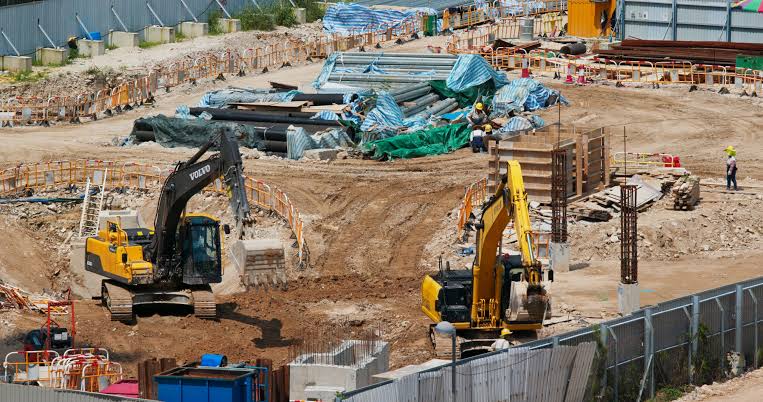
The construction industry in Islamabad and Rawalpindi plays a major role in Pakistan’s economic development. From high-rise commercial buildings in Blue Area to residential housing societies and public infrastructure projects, the sector continues to grow rapidly. However, such growth requires strict regulation, professional standards, and quality control. This is where professional engineering bodies step in.
Professional engineering organizations ensure that construction projects meet safety standards, follow legal frameworks, and maintain technical excellence. Their role is especially critical in twin cities like Islamabad and Rawalpindi, where urban expansion and infrastructure development are accelerating.
Why Professional Engineering Bodies Are Important
Construction projects involve complex structural, electrical, mechanical, and civil engineering systems. Without proper regulation, projects may suffer from poor design, safety hazards, or structural failures.
Professional engineering bodies provide:
- Licensing and registration of engineers
- Accreditation of engineering programs
- Enforcement of professional standards
- Quality assurance mechanisms
- Policy guidance for the construction sector
These responsibilities directly impact the reliability and sustainability of projects in Islamabad and Rawalpindi.
Pakistan Engineering Council (PEC): The Primary Regulatory Authority
The Pakistan Engineering Council (PEC) is the main statutory body regulating the engineering profession in Pakistan. Established under the PEC Act, it ensures that only qualified engineers practice in the country.
Key Roles of PEC in Construction
1. Registration and Licensing
All engineers and construction firms must register with PEC to legally operate. This ensures that projects in Islamabad and Rawalpindi are handled by qualified professionals.
2. Accreditation of Engineering Programs
PEC evaluates and accredits university engineering programs. This guarantees that graduates entering the construction industry meet required technical standards.
3. Enforcement of Standards
PEC monitors compliance with engineering codes and standards. It takes action against unregistered contractors and engineers, which helps maintain professionalism in the construction sector.
4. Continuing Professional Development (CPD)
Engineers must earn CPD points to maintain their licenses. This ensures that professionals stay updated with modern construction technologies and safety regulations.
Through these mechanisms, PEC plays a central role in improving project quality and safety in Islamabad and Rawalpindi.
Institution of Engineers Pakistan (IEP)
While PEC acts as a regulatory body, the Institution of Engineers Pakistan (IEP) focuses more on professional growth and development. The Rawalpindi-Islamabad Centre organizes seminars, workshops, and technical sessions.
Contributions of IEP
- Promotes knowledge sharing among engineers
- Encourages research and innovation
- Bridges the gap between academia and industry
- Supports young engineers through mentorship programs
These initiatives strengthen the technical capacity of professionals working in the construction industry.
Pakistan Council of Architects and Town Planners (PCATP)
Construction projects also require architectural planning and urban design expertise. The Pakistan Council of Architects and Town Planners regulates architects and planners, ensuring that urban development follows approved standards.
In Islamabad, where zoning laws and development regulations are strict, PCATP ensures compliance with approved master plans. This is essential for sustainable urban growth.
Role in Maintaining Construction Quality
Professional engineering bodies help maintain construction quality in several ways:
1. Structural Safety
By enforcing building codes and engineering standards, these bodies reduce the risk of structural failures.
2. Transparent Procurement
Registered firms must meet financial and technical criteria, ensuring fair competition in public and private projects.
3. Legal Compliance
Projects must comply with national and local regulations. Professional bodies help interpret and implement these laws.
4. Ethical Conduct
Engineers are required to follow ethical guidelines. Violations can result in suspension or cancellation of licenses.
Impact on Islamabad and Rawalpindi’s Urban Development
The twin cities have seen rapid development in:
- Housing societies
- Commercial plazas
- Road infrastructure
- Government buildings
- Smart city initiatives
Professional engineering bodies ensure that such development is safe, sustainable, and aligned with international standards.
For example, infrastructure projects like flyovers, highways, and metro systems require strict engineering oversight. Regulatory bodies ensure that these projects meet design, safety, and environmental standards.
Encouraging Modern Construction Practices
Engineering bodies also promote innovation in construction through:
- Adoption of green building standards
- Use of modern construction technologies
- Digital engineering solutions
- Improved safety practices
By encouraging engineers to stay updated, these organizations improve the overall performance of the construction industry.
Supporting Engineering Companies in the Region
Reputable construction and engineering firms rely heavily on compliance with professional bodies. Companies like Gemcon Engineering Company operate under these regulatory frameworks to ensure high-quality project delivery.
By adhering to PEC standards and professional guidelines, engineering firms maintain credibility and client trust. Compliance also allows companies to qualify for large-scale government and commercial projects in Islamabad and Rawalpindi.
Challenges Faced by Professional Engineering Bodies
Despite their importance, these bodies face certain challenges:
- Enforcement difficulties against unregistered contractors
- Limited awareness among small-scale builders
- Rapid urban expansion outpacing regulation
- Need for updated building codes
However, continuous reforms and digital registration systems are improving oversight and transparency.
The Future of Professional Engineering Regulation
The future of Islamabad and Rawalpindi’s construction industry depends on stronger collaboration between:
- Regulatory bodies
- Government authorities
- Engineering firms
- Urban planners
Digital transformation, smart city planning, and sustainable infrastructure will require even stricter professional regulation.
Professional engineering bodies are expected to:
- Enhance digital licensing systems
- Strengthen monitoring mechanisms
- Promote sustainability standards
- Encourage research and development
Conclusion
Professional engineering bodies play a foundational role in Islamabad and Rawalpindi’s construction industry. They regulate engineering practices, enforce safety standards, accredit educational programs, and promote continuous professional development.
Without these organizations, construction projects could suffer from poor quality, legal complications, and safety risks. Their oversight ensures that urban development in the twin cities remains structured, safe, and sustainable.
For engineering firms such as Gemcon Engineering Company, compliance with these professional bodies is not just a legal requirement but a commitment to excellence and quality service delivery.
As Islamabad and Rawalpindi continue to expand, the role of professional engineering bodies will become even more critical in shaping the future of the construction sector.