
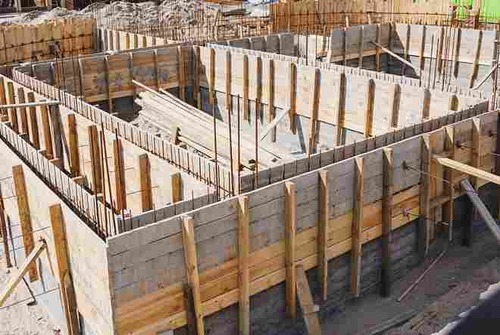
G-14 is one of the rapidly developing residential sectors in Islamabad. With increasing housing projects and modern construction trends, proper structural planning has become essential. One of the most critical parts of any building is its foundation. A building may look strong from the outside, but without a properly designed foundation, it can face serious structural problems over time.
In residential areas like G-14, where many houses are constructed on small plots and multi-story buildings are common, foundation design becomes even more important. A strong and well-engineered foundation ensures the safety, durability, and long-term stability of the structure.
Professional engineering firms such as Gemcon Engineering focus heavily on foundation design because it is the base that supports the entire building structure.
Understanding the Role of a Building Foundation
A foundation is the lowest part of a building that transfers the load of the entire structure to the soil beneath it. It acts as the link between the building and the ground, ensuring that the weight of the structure is evenly distributed across the soil.
If the foundation is not designed correctly, the building may experience problems such as:
- Uneven settlement
- Structural cracks
- Wall tilting
- Weak load distribution
- Structural failure in extreme cases
A properly engineered foundation spreads the weight of the building across a wider area, preventing excessive pressure on the soil and reducing the risk of settlement or collapse.
Why Foundation Design Is Especially Important in G-14
1. Soil Conditions Vary Across Islamabad
One of the biggest reasons proper foundation design is essential in G-14 housing projects is the variation in soil conditions across Islamabad. Different sectors have different soil compositions such as clay, sand, or mixed soil.
The bearing capacity of the soil determines how much weight the ground can safely support. Engineers must perform soil testing before construction to determine the appropriate type and depth of foundation.
Without proper soil analysis, buildings may experience:
- Foundation settlement
- Cracks in walls and floors
- Structural imbalance
This is why professional companies like Gemcon Engineering emphasize geotechnical investigation before starting any housing project.
2. Multi-Story Houses Require Strong Foundations
In sectors like G-14, many homeowners construct double-story or triple-story houses to maximize property value. The heavier the building, the stronger the foundation must be.
Foundation design must consider:
- Dead loads (weight of the structure itself)
- Live loads (people, furniture, equipment)
- Environmental loads (wind and earthquakes)
Properly engineered foundations ensure that these loads are safely transferred to the ground without causing structural damage.
3. Protection Against Earthquakes
Islamabad lies in a region that can experience seismic activity. In such areas, foundation design plays a key role in earthquake resistance.
A well-designed foundation:
- Stabilizes the structure
- Reduces lateral movement during earthquakes
- Prevents structural collapse
Modern engineering standards require foundations to include proper reinforcement, depth, and concrete strength to handle seismic forces.
Professional engineers ensure these standards are followed to make buildings safer for residents.
4. Preventing Differential Settlement
One of the most common construction problems in housing projects is differential settlement. This occurs when different parts of a building sink unevenly due to weak or poorly designed foundations.
This can cause:
- Wall cracks
- Door and window misalignment
- Structural stress on beams and columns
A properly designed foundation distributes the load evenly across the soil, preventing uneven settlement and keeping the structure level.
Engineering firms like Gemcon Engineering carefully analyze soil behavior and structural loads to prevent such issues.
5. Increasing Building Lifespan
The lifespan of a building depends heavily on its foundation. Even if high-quality materials are used in construction, a weak foundation can reduce the building’s durability.
A strong foundation:
- Improves structural stability
- Reduces maintenance costs
- Prevents structural damage over time
- Increases the life of the building
When foundations are designed properly, buildings can remain safe and stable for decades.
6. Preventing Water and Soil Damage
Another challenge in housing sectors like G-14 is underground moisture and water infiltration. Poorly designed foundations may allow water to seep into the structure.
This can lead to:
- Damp walls
- Basement flooding
- Structural weakening
Professional foundation design includes:
- Proper drainage systems
- Waterproofing layers
- Correct foundation depth
These measures protect buildings from long-term water damage.
Types of Foundations Commonly Used in Housing Projects
Different housing projects require different types of foundations depending on soil conditions and building size.
1. Shallow Foundations
These are commonly used for residential houses.
Examples include:
- Isolated footings
- Strip foundations
- Raft foundations
They are suitable when soil near the surface has sufficient bearing capacity.
2. Deep Foundations
These are used when soil near the surface is weak.
Examples include:
- Pile foundations
- Drilled shafts
Deep foundations transfer loads to stronger soil layers deeper underground.
Professional engineers analyze soil reports to select the best foundation type for each project.
The Importance of Professional Engineering Services
Many construction problems in Islamabad occur because builders skip proper engineering analysis to reduce costs. However, this often leads to expensive repairs in the future.
Hiring experienced engineering consultants ensures:
- Accurate soil testing
- Proper structural calculations
- Compliance with building codes
- Safe and durable construction
Companies like Gemcon Engineering provide expert engineering solutions for housing projects, ensuring that buildings are constructed on strong and reliable foundations.
Common Mistakes in Housing Project Foundations
Some common mistakes that homeowners and builders should avoid include:
- Skipping soil testing
- Using weak concrete mix
- Insufficient foundation depth
- Poor reinforcement design
- Lack of engineering supervision
Avoiding these mistakes can significantly improve the safety and quality of housing projects.
Conclusion
Proper foundation design is one of the most important factors in the success of housing projects in G-14. It ensures that buildings remain safe, stable, and durable for many years.
From soil testing to structural calculations, every step in foundation design must be carefully planned by qualified engineers. Ignoring this critical phase of construction can lead to serious structural problems in the future.
For homeowners and developers planning construction in G-14, working with experienced engineering professionals such as Gemcon Engineering can make a significant difference. With the right expertise and proper foundation design, housing projects can achieve long-term safety, structural strength, and peace of mind for residents.