
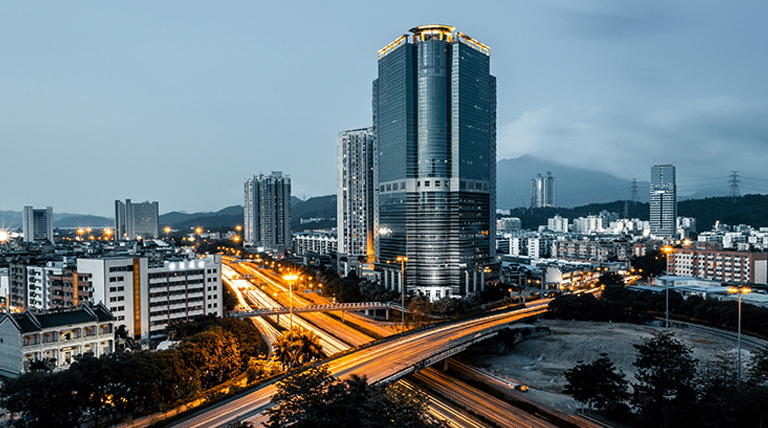
Islamabad and Rawalpindi are transforming rapidly. With expanding housing societies, commercial hubs, IT parks, and infrastructure projects, the twin cities are evolving into modern urban centers. However, rapid development also brings new challenges—energy shortages, traffic congestion, environmental degradation, and increasing resource consumption.
To address these challenges, sustainable and smart design is no longer optional—it is essential. Future cities in Islamabad and Rawalpindi must prioritize environmental responsibility, technological integration, and long-term efficiency.
Forward-thinking engineering and design firms are already leading this shift by integrating innovative solutions into architecture, infrastructure, and interior planning. Companies offering professional smart and sustainable planning services, such as Gemcon Engineering, are helping shape this urban evolution. You can explore their specialized design services here:
https://gemconengineering.com/our-interior-design-services/
Let’s explore why sustainable and smart design is critical for the future of Islamabad and Rawalpindi.
Understanding Sustainable and Smart Design
Sustainable design focuses on minimizing environmental impact by:
- Reducing energy consumption
- Conserving water resources
- Using eco-friendly materials
- Reducing construction waste
- Enhancing indoor environmental quality
Smart design integrates modern technology into infrastructure and buildings to:
- Optimize energy efficiency
- Improve traffic management
- Enhance security systems
- Monitor utilities in real time
- Increase overall operational efficiency
When sustainability and smart systems are combined, cities become more resilient, efficient, and future-ready.
Why Islamabad and Rawalpindi Need Sustainable Urban Planning
The twin cities face unique challenges:
- Rapid population growth
- Increased housing demand
- Pressure on water supply
- Traffic congestion
- Rising temperatures due to urban expansion
Without sustainable planning, uncontrolled development can lead to environmental and economic instability.
Future urban growth must focus on reducing carbon footprints, optimizing land use, and preserving natural ecosystems.
1. Energy Efficiency and Reduced Power Consumption
Energy demand in Islamabad and Rawalpindi continues to rise. Traditional buildings often consume excessive electricity due to inefficient HVAC systems, poor insulation, and outdated lighting.
Sustainable and smart design addresses this by:
- Using energy-efficient glazing and insulation
- Installing solar panels
- Integrating smart lighting systems
- Designing natural ventilation systems
Smart monitoring tools can track energy usage in real time, helping property managers optimize consumption and reduce costs.
For commercial and residential developments, this means lower operational expenses and reduced dependency on the national grid.
2. Water Conservation and Resource Management
Water scarcity is becoming a serious concern in Pakistan. Sustainable city planning must include:
- Rainwater harvesting systems
- Efficient plumbing fixtures
- Wastewater recycling
- Smart irrigation systems
By integrating these solutions during the design stage, cities can significantly reduce water waste.
Smart monitoring systems also detect leaks early, preventing large-scale losses.
3. Climate-Responsive Architecture
Islamabad experiences hot summers and cold winters, while Rawalpindi faces high humidity levels during monsoon seasons.
Sustainable design incorporates climate-responsive architecture, including:
- Proper building orientation
- Shading devices and sun-breakers
- Thermal insulation
- Green roofs and vertical gardens
These features naturally regulate indoor temperatures, reducing the need for excessive air conditioning or heating.
4. Smart Infrastructure for Traffic and Urban Mobility
Traffic congestion is one of the major issues in both cities. Smart urban design can help by:
- Implementing intelligent traffic signal systems
- Designing smart parking solutions
- Promoting pedestrian-friendly zones
- Integrating public transportation hubs
Smart systems use real-time data to optimize traffic flow, reduce fuel consumption, and minimize air pollution.
As corporate sectors expand in Blue Area and Bahria Town, intelligent mobility solutions will be essential.
5. Healthier Living and Working Environments
Sustainable design improves indoor air quality and occupant well-being by:
- Maximizing natural light
- Using non-toxic materials
- Improving ventilation systems
- Reducing noise pollution
Modern interior planning plays a key role here. Efficient space utilization, ergonomic layouts, and smart lighting enhance productivity in offices and comfort in homes.
Professional interior design services that integrate sustainability and smart solutions are essential for healthier urban environments. Firms like Gemcon Engineering provide innovative and future-focused interior solutions tailored to modern urban needs. Learn more here:
https://gemconengineering.com/our-interior-design-services/
6. Reduced Environmental Impact
Rapid urbanization often leads to deforestation, pollution, and ecosystem imbalance.
Sustainable urban design focuses on:
- Preserving green spaces
- Minimizing construction waste
- Encouraging recycling
- Using renewable energy sources
Future cities must balance development with environmental responsibility.
Islamabad, known for its greenery and scenic beauty, must maintain its ecological identity even as it expands.
7. Long-Term Economic Benefits
Although sustainable and smart technologies may require higher initial investment, they provide significant long-term savings through:
- Lower utility bills
- Reduced maintenance costs
- Increased property value
- Enhanced building lifespan
Investors and developers in Islamabad and Rawalpindi are increasingly recognizing that sustainability is financially smart.
Corporate buildings designed with energy efficiency and smart systems attract higher-value tenants and investors.
8. Disaster Resilience and Safety
Sustainable design also strengthens resilience against natural disasters.
Islamabad lies in a seismic zone, making earthquake-resistant design crucial. Smart monitoring systems can detect structural stress and alert authorities in case of risks.
Flood-resistant drainage systems and elevated foundations protect properties during heavy monsoon rains.
Future cities must prioritize safety alongside innovation.
9. Technological Integration for Smart Governance
Smart cities rely on data-driven decision-making.
Integrated systems can monitor:
- Energy consumption
- Waste management
- Water distribution
- Traffic flow
- Public safety
This data helps authorities make informed decisions, improving governance and urban management.
For Islamabad and Rawalpindi to compete globally, adopting smart city technologies is essential.
10. Supporting Sustainable Corporate Growth
Corporate sectors in Islamabad are expanding rapidly. Modern companies seek office spaces that are:
- Energy efficient
- Digitally connected
- Environmentally responsible
- Comfortable and productive
Sustainable and smart design helps businesses:
- Reduce operational costs
- Improve employee productivity
- Strengthen brand reputation
- Meet international sustainability standards
As global investors look toward Pakistan’s capital region, environmentally responsible infrastructure enhances its appeal.
The Future of the Twin Cities
Islamabad and Rawalpindi stand at a critical point in their urban journey.
The choices made today in architecture, engineering, and interior design will shape the cities for decades to come.
Sustainable and smart design is not just about aesthetics or technology—it is about creating resilient communities, efficient systems, and healthier environments.
With professional expertise and innovative design solutions, urban development can be both modern and environmentally responsible.
Conclusion
The future of Islamabad and Rawalpindi depends on how wisely we build today.
Sustainable and smart design offers:
- Environmental protection
- Economic efficiency
- Improved quality of life
- Long-term resilience
By integrating energy-efficient systems, climate-responsive architecture, intelligent infrastructure, and innovative interior planning, the twin cities can become models of modern urban development.
As urbanization accelerates, collaboration with experienced engineering and design firms ensures that future cities are not just bigger—but smarter, greener, and more sustainable.