
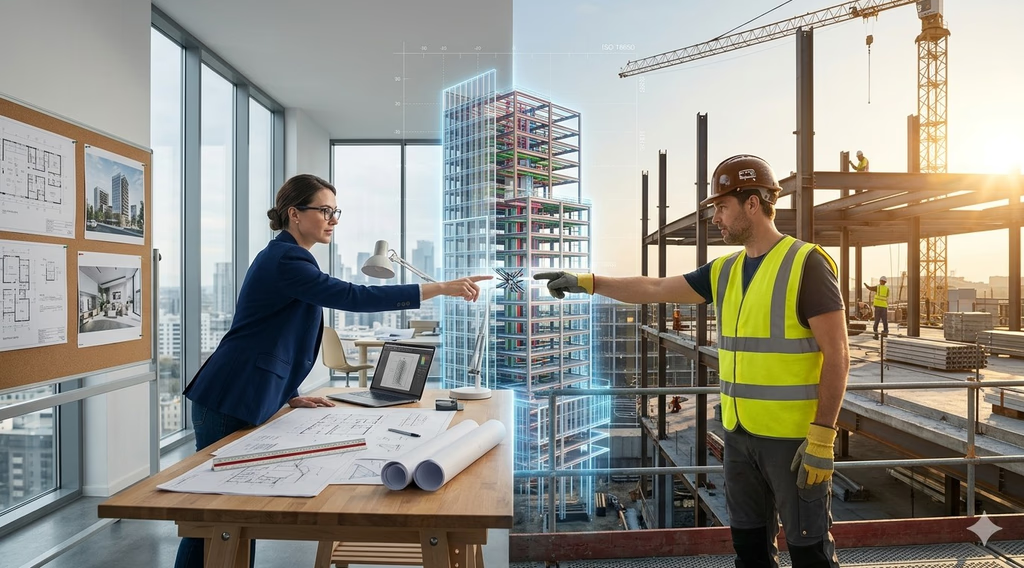
The success of any construction project depends on more than just a great design or quality materials. It requires seamless collaboration between architects and engineers from the initial concept to the final handover. When these professionals work together effectively, they create buildings that are not only visually appealing but also structurally sound, functional, sustainable, and cost-efficient.
https://gemconengineering.com/ collaboration is at the heart of every project. By combining architectural creativity with engineering expertise, the company delivers projects that meet client expectations while maintaining the highest standards of safety and quality.
Why Collaboration Matters
Architecture focuses on aesthetics, space planning, user experience, and functionality. Engineering ensures that these ideas can be safely and efficiently transformed into reality. Neither discipline can achieve the best results without the other.
Modern construction projects have become increasingly complex. Buildings must comply with regulations, sustainability goals, safety standards, and budget constraints while still offering attractive designs. This is only possible through continuous communication and teamwork between architects and engineers. Early collaboration significantly reduces costly redesigns, minimizes project delays, and improves overall project outcomes.
The Roles of Architects and Engineers
Architects
Architects are responsible for:
- Developing the building concept
- Creating functional layouts
- Designing exterior and interior spaces
- Meeting client expectations
- Ensuring visual appeal
- Improving user experience
They balance creativity with practicality to produce buildings that are both beautiful and functional.
Engineers
Engineers transform architectural ideas into safe and reliable structures. Depending on the project, this may include:
- Structural engineering
- Civil engineering
- Mechanical systems
- Electrical systems
- Plumbing design
- Fire protection systems
- Environmental engineering
Their expertise ensures every component performs safely throughout the building’s lifespan.
Collaboration Begins During Planning
Successful teamwork starts long before construction begins.
During the planning stage, architects and engineers meet to understand:
- Client requirements
- Project goals
- Budget limitations
- Site conditions
- Government regulations
- Construction timeline
Instead of working separately, both teams discuss possible challenges and develop practical solutions together. Early engineering input helps avoid major design changes later in the project, improving efficiency and reducing costs.
Shared Design Development
After the initial concept is approved, architects prepare design drawings while engineers begin analyzing the building.
The engineering team evaluates:
- Structural stability
- Foundation requirements
- Wind resistance
- Earthquake performance
- Material selection
- Mechanical and electrical systems
Architects may modify layouts based on engineering recommendations, while engineers often suggest alternative materials or structural systems that improve efficiency without compromising the architectural vision.
This continuous exchange of ideas creates a stronger final design.
Using Building Information Modeling (BIM)
One of the biggest improvements in modern construction collaboration is Building Information Modeling (BIM).
BIM allows architects, engineers, contractors, and clients to work on a shared digital model of the project.
Benefits include:
- Better communication
- Early detection of design conflicts
- Improved visualization
- Faster revisions
- Reduced construction errors
- Accurate quantity estimation
When everyone works from the same model, misunderstandings decrease significantly, resulting in smoother project execution.
Regular Coordination Meetings
Communication is one of the most important aspects of collaboration.
Successful project teams schedule regular meetings to discuss:
- Design progress
- Technical issues
- Budget updates
- Material selection
- Construction scheduling
- Client feedback
These meetings help resolve problems before they become expensive mistakes.
Open communication also builds trust between team members, improving decision-making throughout the project lifecycle.
Balancing Creativity with Practicality
Architects often push creative boundaries to deliver unique and inspiring designs.
Engineers evaluate whether these concepts can be built safely and economically.
Instead of rejecting ambitious ideas, engineers work alongside architects to find practical solutions.
For example:
- Adjusting structural systems
- Selecting stronger materials
- Improving load distribution
- Simplifying construction methods
This partnership allows innovative designs to become reality without sacrificing safety.
Solving Problems Together
Construction projects rarely proceed exactly as planned.
Unexpected issues may include:
- Site conditions
- Material shortages
- Design conflicts
- Weather delays
- Budget changes
- Regulatory updates
Collaborative teams respond quickly because architects and engineers already understand each other’s priorities.
Working together enables faster problem-solving while minimizing project disruption.
Sustainability Through Teamwork
Modern buildings must reduce environmental impact.
Architects focus on:
- Natural lighting
- Efficient layouts
- Green spaces
- Passive cooling
Engineers contribute by designing:
- Energy-efficient HVAC systems
- Water conservation systems
- Renewable energy integration
- Sustainable structural solutions
Together, they create buildings that consume fewer resources while providing comfortable environments for occupants.
Cost Control and Budget Management
One common misconception is that collaboration increases project costs.
In reality, it often reduces them.
Early coordination helps eliminate:
- Duplicate work
- Design revisions
- Construction delays
- Material waste
- Change orders
Engineers can recommend cost-effective structural systems, while architects ensure these solutions maintain the desired appearance.
The result is better value for clients.
Ensuring Safety and Compliance
Safety is a shared responsibility.
Architects design spaces that support safe movement and accessibility.
Engineers verify that every structural and mechanical component complies with building codes and safety regulations.
Through ongoing collaboration, projects achieve:
- Structural integrity
- Fire safety
- Accessibility compliance
- Environmental standards
- Long-term durability
This protects both occupants and project investments.
Supporting Contractors During Construction
Collaboration does not end when construction begins.
Throughout the building phase, architects and engineers continue working with contractors by:
- Reviewing shop drawings
- Answering technical questions
- Conducting site inspections
- Resolving unforeseen issues
- Approving design modifications
This ongoing involvement ensures construction follows the original design intent while maintaining quality standards.
Benefits for Clients
When architects and engineers collaborate effectively, clients enjoy numerous advantages:
- Better project quality
- Faster completion
- Lower overall costs
- Improved safety
- Fewer construction delays
- Greater design flexibility
- Increased building lifespan
- Enhanced sustainability
- Higher property value
These benefits make collaboration one of the most valuable investments in any construction project.https://gemconengineering.com/
Why Choose Gemcon Engineering?
Choosing an experienced construction partner makes a significant difference.
https://gemconengineering.com/ brings architects, engineers, project managers, and construction professionals together under a collaborative approach that prioritizes quality, transparency, and client satisfaction.
From residential homes to commercial developments, the company focuses on:
- Integrated project planning
- Innovative architectural solutions
- Advanced engineering practices
- Sustainable construction
- Efficient project management
- Quality assurance
- Timely project delivery
Every project is handled with attention to detail and a commitment to excellence.
Whether you’re planning a new home, commercial building, or large-scale development, https://gemconengineering.com/ provides the expertise needed to turn your vision into reality. Learn more about their services by visiting https://gemconengineering.com/.
Conclusion
Architects and engineers play different yet equally important roles in every construction project. Their collaboration ensures that buildings are attractive, safe, functional, sustainable, and cost-effective. Through early planning, continuous communication, shared technology, and coordinated problem-solving, they transform ideas into successful projects.