
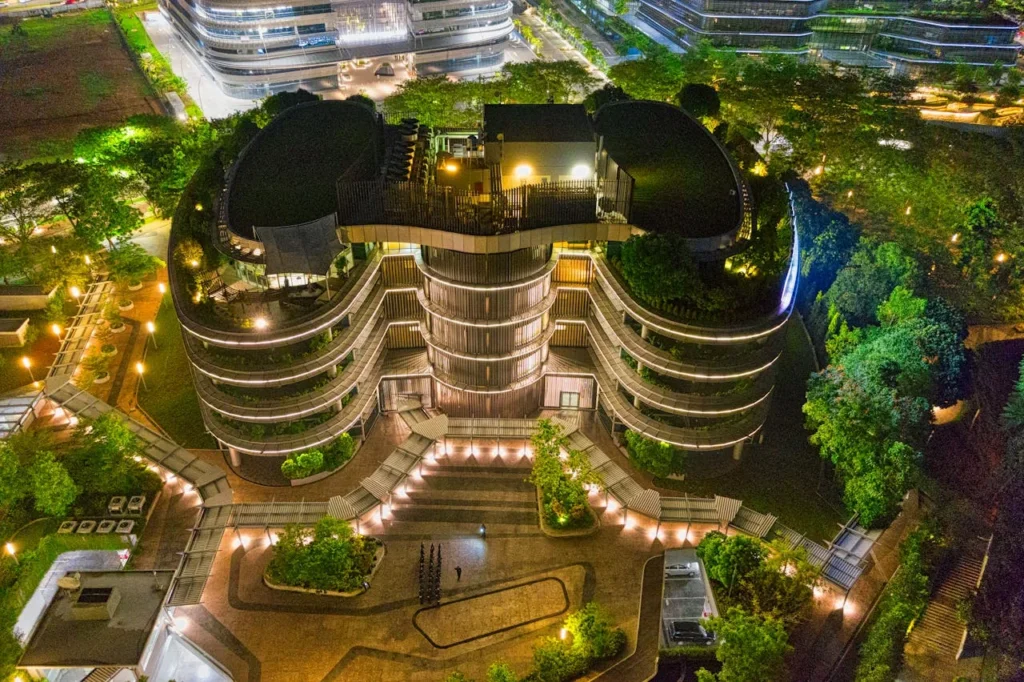
Pakistan is standing at a critical crossroads. Rapid urbanization, a growing population, and increasingly erratic climate patterns are putting immense pressure on the country’s cities and infrastructure. At the same time, a quiet but powerful shift is taking place in how buildings are designed, constructed, and operated. Sustainable architecture is no longer a niche concept reserved for luxury projects or foreign-funded pilot programs — it is fast becoming a necessity woven into the fabric of Pakistan’s construction industry.
From Karachi’s high-rise developments to Lahore’s residential communities and Islamabad’s institutional buildings, architects, engineers, and developers are rethinking how structures interact with their environment. This blog explores the key sustainable architecture trends shaping Pakistan’s future and why embracing them today is essential for the country’s long-term resilience.
Why Sustainable Architecture Matters for Pakistan
Pakistan ranks among the countries most vulnerable to climate change, facing extreme heatwaves, water scarcity, flooding, and rising energy demands. The construction sector is a major contributor to carbon emissions and resource consumption, but it is also uniquely positioned to be part of the solution. Buildings designed with sustainability in mind consume less energy, reduce water waste, lower operational costs, and create healthier living and working environments.
As urban centers expand, the choices made today in architecture and engineering will determine how well Pakistan’s cities can withstand environmental and economic pressures in the decades ahead. This is why sustainable design is increasingly being viewed not as an optional upgrade, but as a fundamental requirement for responsible development.
Key Sustainable Architecture Trends in Pakistan
1. Passive Design and Climate-Responsive Architecture
One of the most significant trends gaining traction is passive design — an approach that uses a building’s orientation, layout, and materials to naturally regulate temperature and airflow, reducing reliance on mechanical heating and cooling. In Pakistan’s hot climate, this means designing buildings with proper shading, cross-ventilation, thick insulating walls, and strategically placed windows that minimize heat gain while maximizing natural light. Traditional architectural elements, such as courtyards and wind catchers historically used in Sindh and Balochistan, are being reintroduced with modern engineering precision to create energy-efficient spaces suited to local conditions.
2. Green Building Materials
The shift toward eco-friendly construction materials is transforming how buildings are built across the country. Fly ash bricks, recycled steel, bamboo, compressed earth blocks, and low-carbon concrete alternatives are being adopted to reduce the environmental footprint of construction projects. These materials often require less energy to produce, generate fewer emissions, and can be sourced locally, cutting down transportation-related carbon costs while supporting regional supply chains.
3. Solar Energy Integration
With Pakistan experiencing frequent energy shortages and rising electricity costs, solar power has become one of the most practical and widely adopted sustainability solutions. Rooftop solar panels, solar water heating systems, and hybrid energy setups are increasingly standard in both residential and commercial projects. This trend not only reduces dependency on the national grid but also offers long-term cost savings, making it an attractive option for homeowners and businesses alike.
4. Water Conservation Systems
Water scarcity is a growing concern in many parts of Pakistan, prompting architects to integrate rainwater harvesting systems, greywater recycling, and efficient plumbing fixtures into building designs. These systems help reduce dependence on municipal water supplies and groundwater extraction, which is particularly critical in cities like Karachi and Quetta, where water stress is already severe.
5. Green Roofs and Vertical Gardens
Urban greenery is making a comeback through green roofs and vertical gardens, which help lower indoor temperatures, improve air quality, and reduce the urban heat island effect. As concrete-heavy cityscapes continue to expand, these living design elements offer a practical way to reintroduce nature into dense urban environments while improving building insulation.
6. Smart Building Technology
The integration of smart technology — including automated lighting, energy monitoring systems, and intelligent HVAC controls — is helping optimize resource use in real time. These systems allow building managers to track energy and water consumption, identify inefficiencies, and make data-driven decisions that support sustainability goals over the long term.
7. Adaptive Reuse of Existing Structures
Rather than demolishing older buildings, many architects and developers are choosing adaptive reuse — repurposing existing structures for new functions. This approach reduces construction waste, preserves architectural heritage, and often proves more cost-effective than new builds, all while significantly lowering the carbon footprint associated with new construction.
8. Green Building Certifications
There is growing interest among developers in pursuing internationally recognized green certifications such as LEED (Leadership in Energy and Environmental Design) and EDGE (Excellence in Design for Greater Efficiencies). These certifications provide measurable benchmarks for sustainability performance and are increasingly seen as a mark of quality and forward-thinking design, particularly for commercial and institutional projects seeking credibility with investors and tenants.
The Role of Engineering Expertise in Driving Change
Sustainable architecture cannot succeed on design vision alone — it requires precise structural engineering, careful material selection, and technical expertise to translate green concepts into safe, functional, and durable buildings. This is where experienced engineering firms play a pivotal role, bridging the gap between architectural ambition and structural reality.
Firms like Gemcon Engineering are helping shape this transition in Pakistan by bringing technical rigor and innovative engineering solutions to sustainable construction projects. Their work reflects a broader industry movement toward integrating environmental responsibility with structural excellence, ensuring that sustainability goals are not just aspirational but achievable in practice.
Challenges on the Path to Sustainable Architecture
Despite the momentum, Pakistan’s journey toward widespread sustainable architecture faces real challenges. Higher upfront costs for green materials and technologies, limited public awareness, inconsistent regulatory enforcement, and a shortage of specialized expertise all slow adoption. Many developers still prioritize short-term cost savings over long-term efficiency, and building codes have not always kept pace with global sustainability standards.
However, as energy prices rise and climate impacts intensify, the economic case for sustainable design is becoming harder to ignore. Government incentives, growing consumer demand for eco-conscious buildings, and increased collaboration between architects, engineers, and policymakers are gradually creating a more favorable environment for green construction to flourish.
Looking Ahead
The future of Pakistan’s built environment will be defined by how effectively the construction industry embraces sustainability — not as an afterthought, but as a core design principle. Passive cooling strategies, renewable energy integration, water-conscious systems, and smarter use of materials are no longer trends confined to pilot projects; they are becoming the new standard for responsible development.
As more architects, engineers, and firms commit to these principles, Pakistan has an opportunity to build cities that are not only more resilient to climate challenges but also more livable, efficient, and economically sustainable for generations to come. The path forward requires collaboration across the entire construction ecosystem — and companies bringing strong engineering expertise to sustainable projects will be essential partners in making that vision a reality.
Interested in sustainable construction and engineering solutions for your next project? Visit Gemcon Engineering to learn more.