
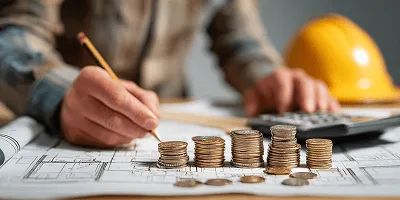
Building your first home is one of the biggest financial investments you will ever make. While designing your dream house is exciting, managing the budget properly is what determines whether the project becomes successful or stressful. Many first-time home builders underestimate construction costs, which can lead to delays, financial pressure, and unfinished work.
With proper planning, smart decisions, and professional guidance from Gemcon Engineering Company, you can build a beautiful and functional home without exceeding your budget.
In this blog, we will discuss practical budget planning tips that help first-time home builders save money, avoid mistakes, and complete construction smoothly.
Understand Your Total Budget Before Starting
Before purchasing materials or hiring contractors, calculate how much you can realistically afford. Your budget should include:
- Land cost
- Construction materials
- Labor charges
- Architecture and design fees
- Utility connections
- Government approvals
- Interior finishing
- Emergency reserve funds
Many people focus only on grey structure costs and forget finishing expenses like flooring, paint, lighting, and kitchen work. A complete financial overview helps avoid surprises later.
Professional builders such as Gemcon Engineering Company can provide accurate cost estimates for better financial planning.
Set Construction Priorities
As a first-time builder, you may want every luxury feature immediately. However, prioritizing essential requirements helps keep spending under control.
Focus first on:
- Strong structure quality
- Functional room layout
- Electrical and plumbing systems
- Durable materials
- Proper ventilation
Luxury additions such as smart home systems, decorative ceilings, or expensive imported materials can be added later if your budget allows.
Creating a “needs vs wants” list is one of the smartest ways to control unnecessary expenses.
Choose the Right House Size
A larger home means:
- Higher material costs
- More labor expenses
- Increased maintenance
- Higher utility bills
First-time builders should select a house size that matches their actual lifestyle and future needs. A well-designed smaller house can feel more comfortable and modern than a poorly planned large property.
Efficient space utilization reduces construction costs while improving functionality.
Create a Detailed Construction Plan
One of the biggest causes of overspending is making changes during construction. Frequent modifications lead to:
- Material wastage
- Labor delays
- Increased contractor charges
- Structural complications
Before construction starts, finalize:
- Floor plans
- Room dimensions
- Electrical layout
- Plumbing design
- Exterior elevation
- Interior finishing preferences
Working with experienced professionals like Gemcon Engineering Company ensures proper planning from the beginning.
Research Construction Material Prices
Material prices fluctuate regularly, especially cement, steel, bricks, sand, and tiles. Compare suppliers and monitor market rates before making purchases.
Ways to reduce material costs:
- Buy in bulk when possible
- Purchase during lower-price seasons
- Avoid low-quality materials
- Compare multiple vendors
- Use local materials where suitable
Choosing cheap materials may save money initially but often results in higher maintenance and repair costs later.
Keep an Emergency Fund
Unexpected expenses are common in construction projects. Weather delays, design changes, labor shortages, or market price increases can affect your budget.
Experts recommend keeping an emergency reserve of at least 10% to 20% of the total construction budget.
This financial cushion prevents project delays and unnecessary stress.
Hire Experienced Professionals
Many first-time builders attempt to save money by hiring inexperienced labor or unqualified contractors. Unfortunately, this often creates costly problems later.
An experienced construction company helps with:
- Accurate budgeting
- Material management
- Quality control
- Timeline management
- Cost efficiency
Reliable companies such as Gemcon Engineering Company provide professional construction solutions that help homeowners avoid expensive mistakes.
Avoid Unnecessary Design Complexity
Complex architectural designs require:
- More labor
- Specialized materials
- Longer construction time
- Higher finishing costs
Simple and modern designs are often more affordable, elegant, and energy efficient.
Features that can increase costs significantly include:
- Curved walls
- Large glass structures
- Complex roofing
- Heavy decorative work
- Imported fixtures
A practical design keeps your project within budget while maintaining visual appeal.
Track Every Expense
Budget control becomes easier when you monitor every payment carefully. Maintain a record of:
- Material purchases
- Labor payments
- Contractor invoices
- Utility expenses
- Transportation costs
Using spreadsheets or budgeting apps helps identify overspending early.
Regular financial tracking allows you to make adjustments before costs become unmanageable.
Focus on Energy Efficiency
Energy-efficient homes reduce long-term living expenses. While some features may cost slightly more initially, they save money over time.
Consider:
- LED lighting
- Insulated roofing
- Energy-efficient windows
- Solar systems
- Water-saving fixtures
- Natural ventilation
These features lower monthly utility bills and improve property value.
Understand Hidden Construction Costs
Many first-time builders forget about hidden expenses such as:
- Soil testing
- Boundary walls
- Water tanks
- Security systems
- Landscaping
- Permit fees
- Utility installation charges
Including these costs in your initial budget prevents financial surprises later.
Professional consultation from Gemcon Engineering Company can help identify all possible construction expenses before work begins.
Avoid Taking on Excessive Debt
Building a house entirely through loans can create financial pressure. Keep monthly repayments manageable and avoid borrowing beyond your repayment capacity.
A realistic construction timeline and controlled spending reduce dependence on high-interest loans.
Financial stability during construction ensures smoother project completion.
Plan Interior Work Wisely
Interior finishing often consumes a large portion of the total budget. Kitchens, bathrooms, wardrobes, ceilings, and flooring can quickly increase expenses.
To manage costs:
- Select durable mid-range materials
- Compare finishing options
- Avoid unnecessary luxury items
- Focus on long-term practicality
Good design is not always about expensive materials. Smart planning creates elegant interiors within budget.
Work With a Realistic Timeline
Rushing construction increases labor charges and creates mistakes. Delays, however, also increase costs.
A realistic timeline helps:
- Manage labor efficiently
- Reduce material wastage
- Improve quality control
- Maintain financial discipline
Professional project management from Gemcon Engineering Company helps keep construction on schedule and within budget.
Final Thoughts
Building your first home can be a rewarding experience when supported by proper financial planning and smart decision-making. Understanding construction costs, setting realistic priorities, and working with experienced professionals are essential steps toward a successful project.
A carefully managed budget not only saves money but also reduces stress throughout the construction journey. Whether you are planning a small family house or a modern luxury home, expert guidance from Gemcon Engineering Company can help you achieve quality construction within your desired budget.
By following these budget planning tips, first-time home builders can confidently turn their dream home into reality without unnecessary financial burdens.