
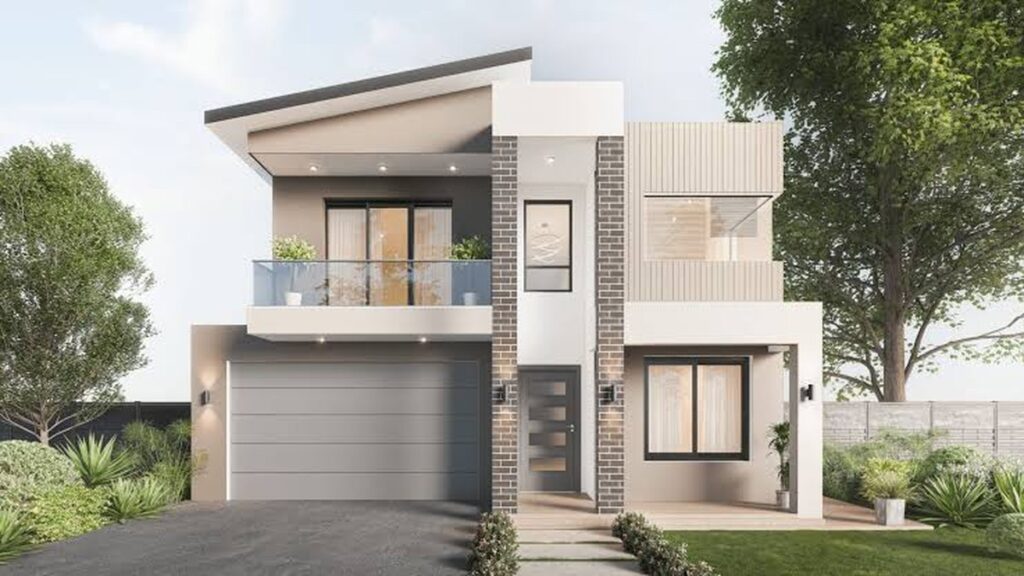
Building a home is one of the biggest decisions you’ll ever make, and one of the earliest choices you’ll face is whether to go with a custom home design or a standard house plan. Both paths can lead to a beautiful, functional home, but they differ significantly in cost, timeline, flexibility, and the overall experience of building. Understanding the pros and cons of each option will help you make a decision that fits your budget, lifestyle, and long-term goals.
What Is Custom Home Design?
Custom home design means working with an architect or design-build firm to create a home from scratch, tailored entirely to your needs, preferences, and the specific characteristics of your building site. Every wall, window, and room is planned with your vision in mind. This approach is ideal for homeowners who have a clear idea of how they want to live and want their home to reflect that vision precisely.
What Are Standard House Plans?
Standard house plans, sometimes called stock plans or pre-drawn plans, are pre-designed blueprints created by architects or designers and sold to multiple buyers. These plans are widely available online or through builders and are typically ready to use with minimal or no modifications. They cover a broad range of styles, sizes, and layouts, making them a popular choice for buyers who want a proven design without starting from zero.
Pros of Custom Home Design
1. Complete Personalization The most obvious advantage of custom home design is total control over every detail. From the number of bedrooms and the flow of the kitchen to the placement of windows for natural light, everything is designed around how you actually live. This is particularly valuable for families with unique needs, such as multigenerational living arrangements, home offices, or accessibility requirements.
2. Site-Specific Design A custom design accounts for your lot’s unique features, such as slope, orientation, views, and soil conditions. This means the home can be positioned to maximize sunlight, take advantage of scenic views, or work efficiently with a challenging or irregular lot shape, something standard plans often can’t accommodate.
3. Higher Long-Term Value Because custom homes are built with quality materials and thoughtful design choices suited to the specific location, they often hold or increase their value more effectively over time. Buyers looking for something distinctive are often willing to pay a premium for a well-designed custom property.
4. Flexibility Throughout the Process With custom design, you can make changes as the project develops, adjusting layouts, finishes, or features based on evolving needs or budget considerations. Working with an experienced design-build partner, such as Gemcon Engineering, ensures these changes are handled efficiently without compromising structural integrity or project timelines.
Cons of Custom Home Design
1. Higher Cost Custom design typically costs more due to architectural fees, engineering work, and the use of unique materials or construction methods. The personalized nature of the process means more time and expertise are required at every stage.
2. Longer Timeline Designing a home from the ground up takes time. Between initial consultations, design revisions, permitting, and engineering approvals, the process can take several months before construction even begins.
3. More Decisions Required Custom design demands significant homeowner involvement. You’ll need to make countless decisions, from structural elements to finishes, which can feel overwhelming for those without a clear vision or the time to dedicate to the process.
Pros of Standard House Plans
1. Lower Cost Because the design work is already complete and often reused across multiple projects, standard house plans are significantly more affordable than custom designs. This makes them an attractive option for budget-conscious homeowners.
2. Faster Timeline With the design phase largely finished, construction can often begin much sooner. This is ideal for homeowners who want to move into their new home as quickly as possible.
3. Proven Designs Standard plans have typically been built before, meaning any design flaws have likely already been identified and corrected. This reduces the risk of unexpected structural or functional issues.
4. Simplicity For buyers who don’t have strong preferences about specific architectural details, standard plans remove much of the decision-making burden, offering a straightforward path from selection to construction.
Cons of Standard House Plans
1. Limited Personalization Standard plans are designed for general use, not for your specific lot or lifestyle. While minor modifications are sometimes possible, major changes can be costly or structurally impractical.
2. Site Compatibility Issues A plan designed for a flat, rectangular lot may not translate well to a sloped or irregularly shaped property, potentially requiring costly engineering adjustments or grading work.
3. Less Unique Because these plans are sold to multiple buyers, there’s a chance your home could closely resemble others in your area, which may not appeal to homeowners seeking a distinctive property.
Making the Right Choice for Your Project
Deciding between custom home design and standard house plans ultimately comes down to your priorities. If budget and speed are your primary concerns, and you’re comfortable with a design that others may have also used, a standard plan could be the practical choice. However, if you have a specific vision for your home, a challenging building site, or long-term value in mind, investing in a custom design may be worth the additional time and cost.
Whichever path you choose, working with experienced professionals is essential to a successful outcome. A knowledgeable engineering and design partner can help you navigate structural requirements, local building codes, and site-specific challenges, whether you’re modifying a stock plan or building an entirely custom home. Firms like Gemcon Engineering bring the technical expertise needed to ensure your home, custom or standard, is built safely, efficiently, and to the highest quality standards.
Final Thoughts
Both custom home design and standard house plans have their place in residential construction, and neither option is inherently better than the other. The right choice depends on your budget, timeline, and how important personalization is to you. By carefully weighing the pros and cons outlined above, and partnering with a trusted engineering team, you can move forward with confidence, knowing your new home will be built to fit your needs and last for years to come.